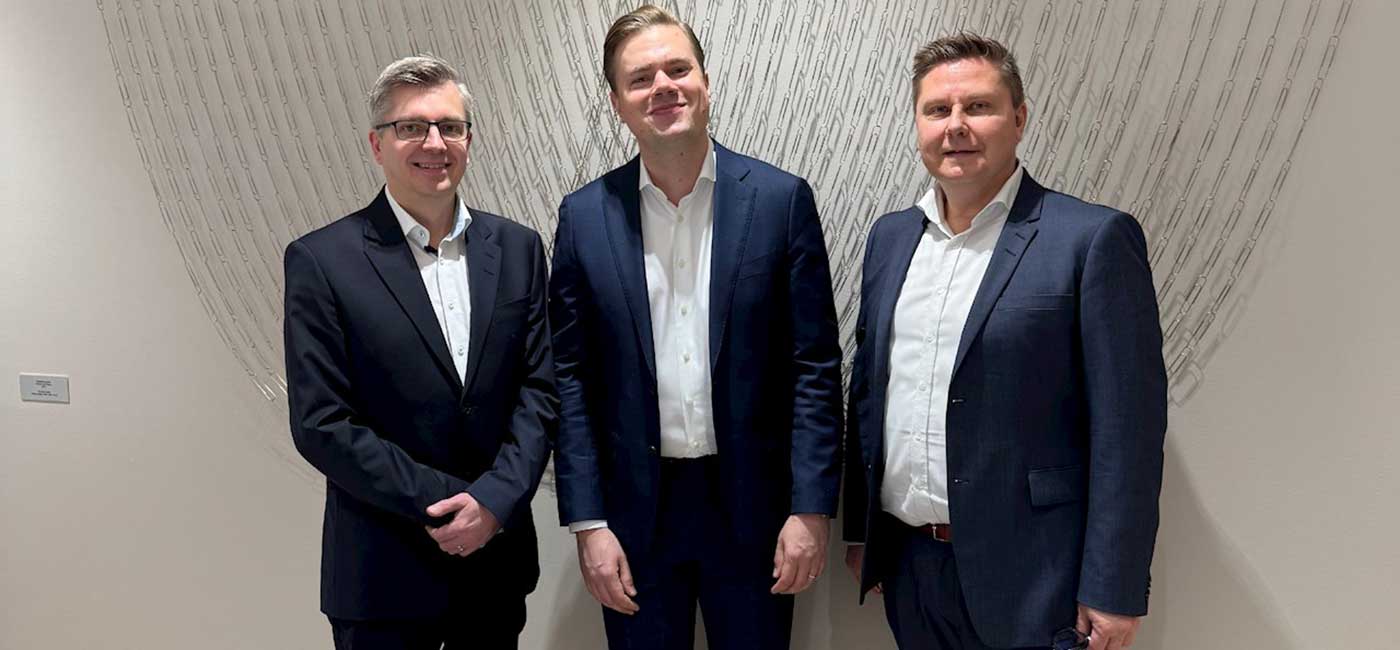

IFS has agreed to acquire Softeon, a US-based provider of warehouse management software, in a move that extends the industrial software group’s reach deeper into supply chain execution and positions it as a challenger in the fast-growing warehouse management systems market.
The London-headquartered company said today that it had entered into a definitive agreement to buy Softeon, whose products include Warehouse Management, Warehouse Execution, and Distributed Order Management systems. Financial terms were not disclosed. The transaction is subject to regulatory approvals and is expected to close in the first quarter of 2026.
The acquisition pushes IFS into a market estimated to be worth $8.6bn and growing at around 12% annually, as manufacturers and logistics operators invest to modernise warehouses amid labour shortages, rising automation, and more complex distribution networks.
IFS, which supplies software to asset-intensive industries such as manufacturing, energy, and aerospace and defence, said the deal would allow it to connect factory operations more closely with downstream warehouse execution, using its Industrial AI platform. Softeon’s customers include Sears Homes Services, Sony DADC, and DB Schenker Logistics.
The move reflects a broader shift among enterprise software groups towards applying artificial intelligence directly to operational environments, rather than layering generic productivity tools on top of legacy systems. IFS said it intends to embed agentic AI and robotics orchestration into warehouse processes such as order fulfilment, labour planning, yard management, and automation control.
Mark Moffat, CEO of IFS, said warehouse operations were becoming as strategically important as production lines. “As we work with increasingly complex global manufacturers and asset-intensive enterprises, warehouse operations must become as intelligent and autonomous as the production lines they support,” he said. “This acquisition brings together proven warehouse execution capabilities with next-generation Industrial AI.”
Softeon’s cloud-native architecture and existing integrations with robotics, voice picking, and automation systems were a key attraction, according to IFS. The group plans to combine these with its IFS.ai platform and its partnerships with robotics companies including Boston Dynamics and 1X Technologies, enabling greater use of autonomous mobile robots and humanoid robots in warehouse environments.
Jim Hoefflin, CEO of Softeon, said customers were increasingly demanding tighter integration between warehouse operations, robotics, and the wider supply chain. “Joining forces with IFS accelerates our ability to deliver advanced AI-driven warehouse intelligence, while continuing to serve customers in mission-critical environments where reliability and precision are essential,” he said.
Industry analysts have long argued that traditional warehouse management vendors have struggled to modernise products built on older architectures. IFS believes that combining Softeon’s software with Industrial AI designed specifically for complex, asset-heavy industries will differentiate it from established competitors.
For IFS’s existing customers in sectors such as manufacturing, engineering and construction, transport, and energy, the company said the deal would provide more sophisticated warehouse capabilities aligned with the complexity of their production and service operations.
IFS was founded in 1983 and employs more than 7,000 people across 80 countries. It has positioned Industrial AI as a core growth pillar, focusing on applying contextual, industry-specific intelligence directly into operational workflows rather than back-office processes.