The global robotics market is expected to more than double in value over the next six years, reaching $205.5 billion by 2030 from $90.2 billion in 2024, according to new research by data and analytics firm GlobalData.
The company forecasts a compound annual growth rate (CAGR) of 15% for the sector, driven by a broadening range of applications across industries. Its latest Strategic Intelligence report, Robotics, identifies exoskeletons, drones, logistics robots, and consumer robots as the fastest-growing categories.
Exoskeletons are predicted to expand at a CAGR of 38% between 2024 and 2030, albeit from a low base of $0.6 million in 2024. Drones are set to follow with 19% annual growth, while logistics robots are forecast to grow at 18%.
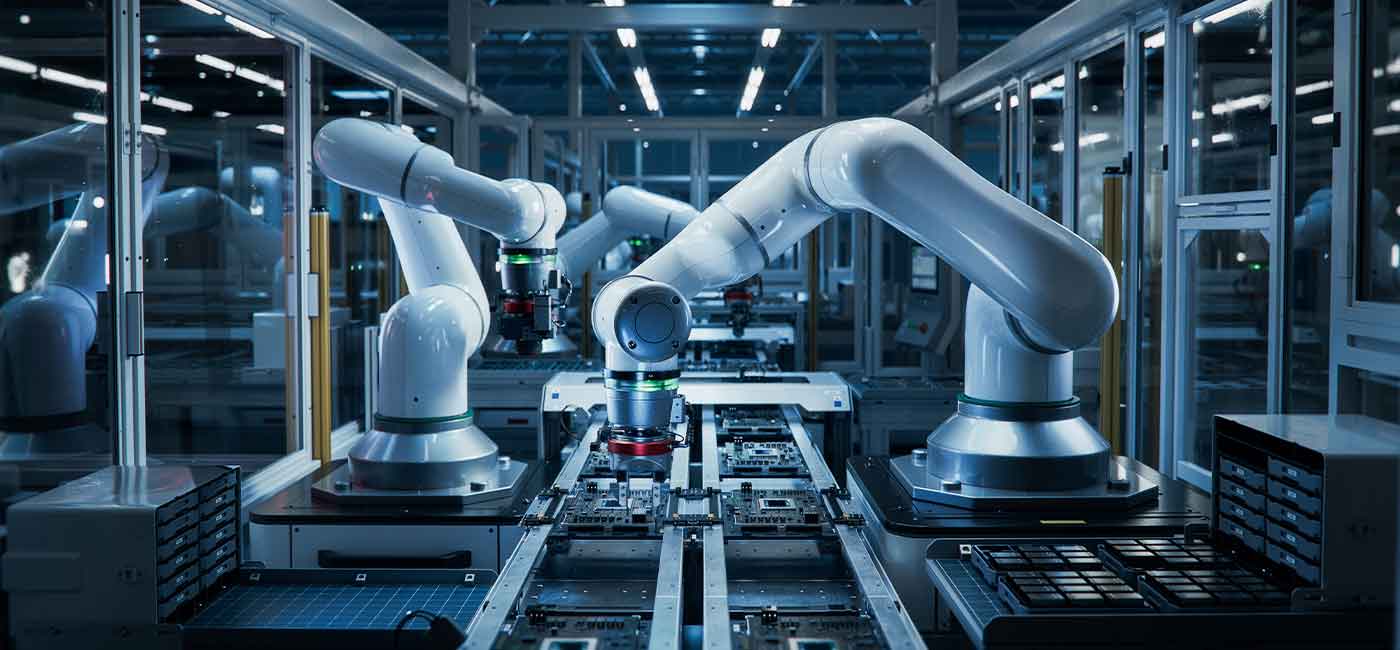
Industrial robots, which accounted for 27% of the market in 2024 with $24.6 billion in sales, are projected to reach $36.7 billion by 2030, a 7% CAGR. By contrast, the service robot market—already the larger segment at $65.6 billion in 2024—is expected to grow 17% annually to $168.8 billion by the end of the decade.
Aisha U-K Umaru, Analyst for Strategic Intelligence at GlobalData, said that advances in precision mechanical parts are improving both care and humanoid robots. “The technology that enabled co-bots to work alongside humans in factories was refined to enable surgical robots to practise alongside healthcare professionals,” she said. “Progress in the industry can have wide-reaching implications, making innovation a worthwhile endeavour.”
Artificial intelligence driving smarter machines
GlobalData’s report highlights artificial intelligence (AI) and cloud computing as key enablers of next-generation robotics. AI allows robots to make autonomous decisions, move independently, and process large datasets in real time. Meanwhile, neuromorphic chips—designed to mimic the human brain—could enhance efficiency and responsiveness in future models.
“Robots aren’t just getting more dexterous, they’re also getting smarter,” Umaru added. “The combined effect is that more value may be provided to humans in the workplace or at home, as robots can physically do more with heightened intelligence.”
Humanoid robots gain momentum despite challenges
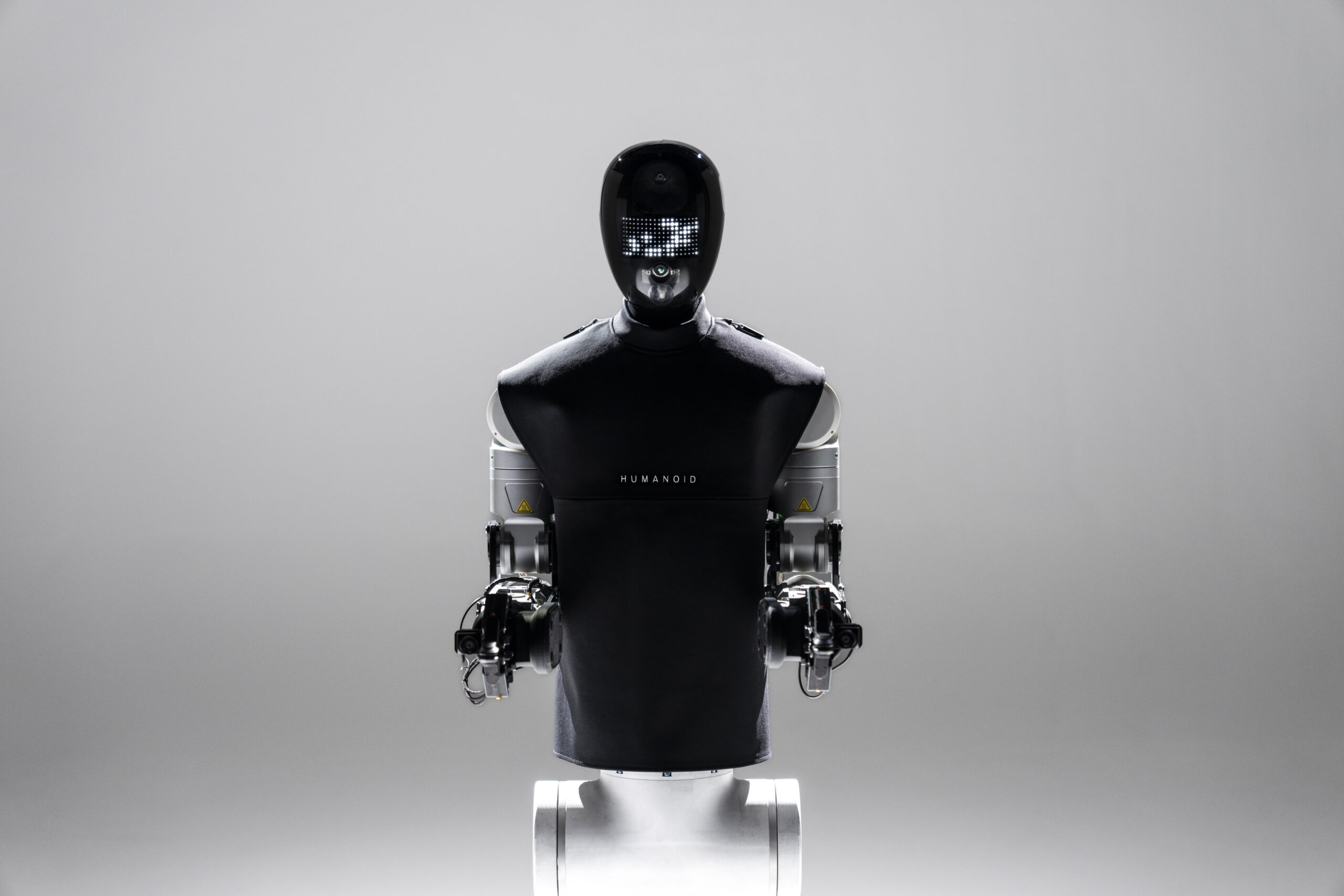
Major automotive manufacturers including Tesla and Toyota are investing alongside startups such as Figure AI and Fourier Robotics in developing humanoid robots capable of mimicking human actions. Proponents argue that these machines could help address labour shortages in developed economies and take on dangerous tasks.
However, high component costs, questions over utility, and social acceptance remain obstacles to widespread adoption.
“Despite these challenges, there has been impressive progress in humanoid robots,” said Umaru. “Coupled with rapid advancements in AI, two questions come to mind: when will robots be indistinguishable from humans? And when they are, then what?”