

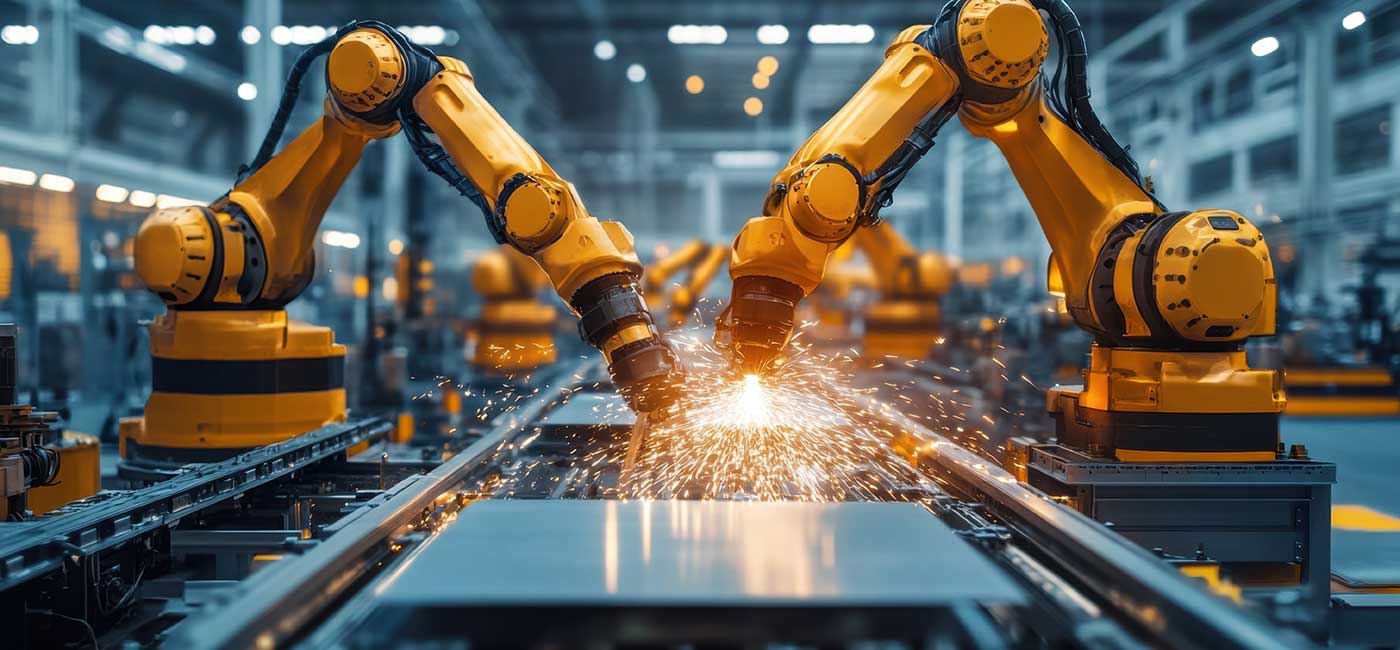

Industry experts are warning that a failure to invest in automation in the UK could compromise national security, with the country falling behind its global peers in industrial robot adoption.
Speaking at the Southern Manufacturing Show in Farnborough today, Sam Reid, Head of Business Operations at specialist welding robotics systems integrator Cyber-Weld warned delegates that a failure to keep up with other companies in terms of industrial automation could risk critical infrastructure being processed overseas.
“If we don’t adopt robotics at scale, we risk being unable to meet domestic production needs for critical sectors, including defence. Automation is a strategic capability, not a luxury,” she said. “Without sufficient automation, the UK could be forced to send sensitive equipment abroad for production or welding, which is obviously a major risk for national security.”
The UK continues to lag behind other industrial nations in robot adoption. According to the International Federation of Robotics, UK companies on average employ 111 robots per 10,000 employees, significantly below the global average of 141, and meaning the company ranks 24th in the world in terms of robot density. The country is currently the only G7 nation outside the top 20 for robot adoption.
The broader implications of low automation adoption are stark. Peter Williamson, Policy Director at Automate UK, warned of the strategic risk: “Without scaling up robotics, the UK risks being unable to deliver critical products reliably, from defence systems to high-value industrial components.”
Countries such as Japan, Korea, Singapore, and Germany occupy the top ranks, thanks to strong automotive and electronics sectors. Denmark ranks seventh despite lacking these industries, showing that high automation levels are achievable in diverse manufacturing sectors.
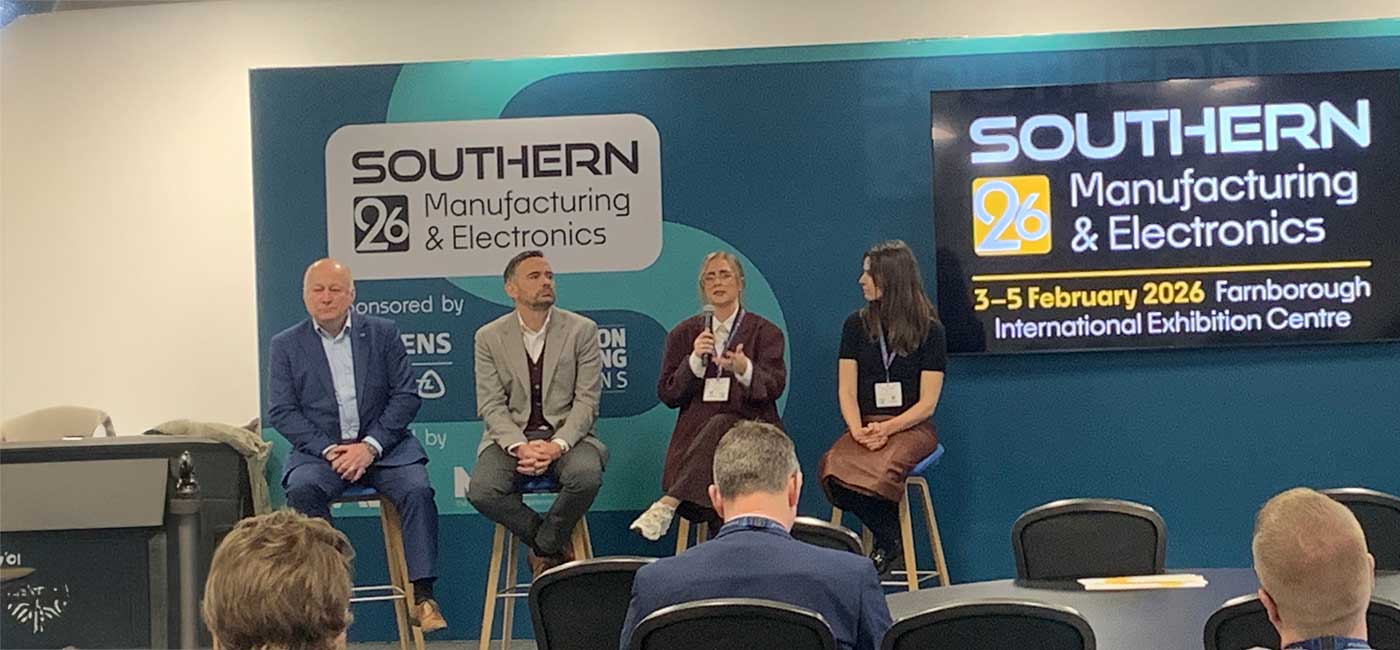
“One of the key things with all of this is the technology exists, the solutions already exist. One of the benefits of being behind everybody else is we can learn from what everybody else has done. We are definitely the outlier in all of these major manufacturing nations, and we can get into the debate, I think it’s a cultural thing, but we’ve got to the point where we do need to change it,” Williamson added.
The consequences of lagging automation are not just economic. “We need to address this because we are not going to be competitive going forward. We need our manufacturing to be strong, and we need that for the future prosperity of this country,” he said.
Mike Wilson, Robotics and Automation Champion at the Manufacturing Technology Centre, emphasised that automation also helps attract younger workers to manufacturing: “Young people want to work with technology. Robotics makes manufacturing exciting and sustainable. It’s about preparing the workforce for the future, not replacing it.”
UK based welding specialist Contracts Engineering implemented two industrial robots with Cyber-Weld as systems integrator.
The company spent around a year preparing internally, identifying which welding processes were suitable for automation and which required the expert judgement of human welders.
Senior team members were trained to operate and programme the robots, ensuring that critical knowledge remained within the business. The robots now handle repetitive welding, while the human team focuses on complex, high-value work.
Catherine Barratt, CEO of BAMUK Group, the owner of Contracts Engineering said that the additional automation helped the company scale output for large contracts while retaining the expertise of its highly skilled welding team.
“Automation wasn’t about reducing headcount—it was about magnifying our welders’ expertise,” she told delegates. “Robots took on repetitive tasks, allowing our team to focus on the highly skilled, innovative welding that really drives our business.”
Barratt described the robots as “part of the workforce,” bright yellow and named, working in the centre of the factory alongside human welders. “It’s a massive opportunity for our team. Career progression, new skills, and more interesting work. The robots amplify our business, they don’t replace it,” she said.


