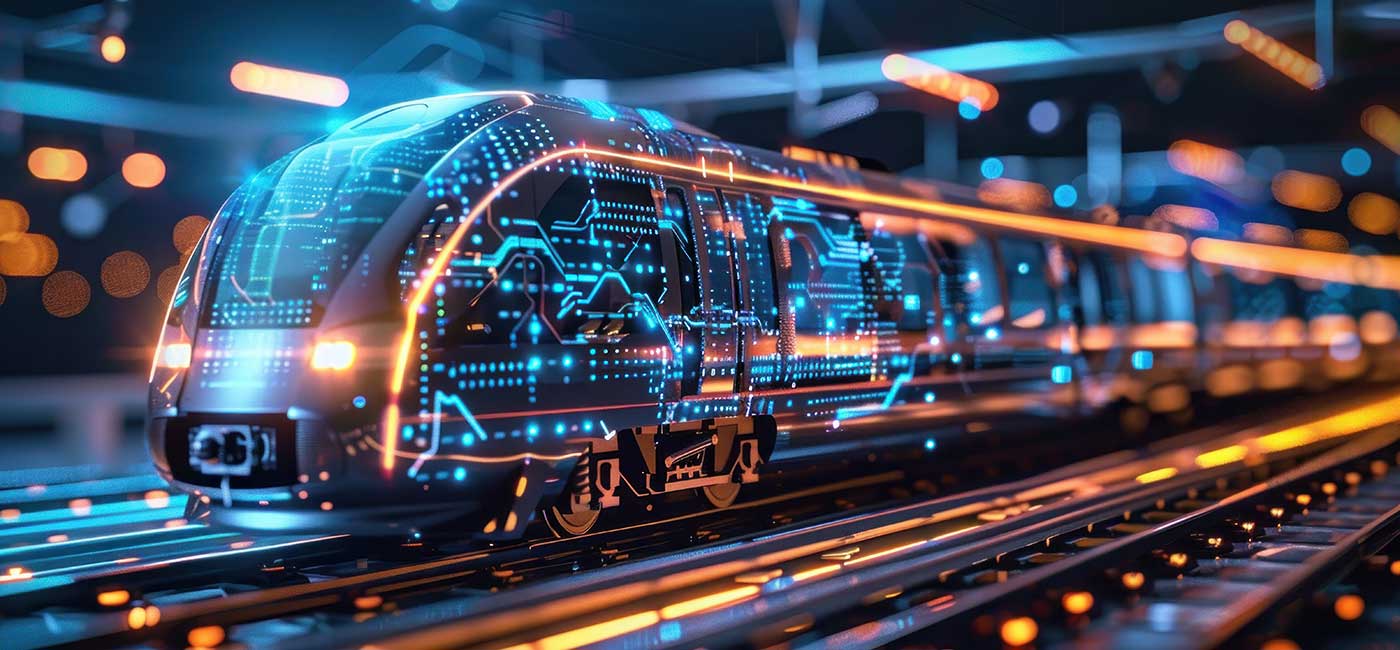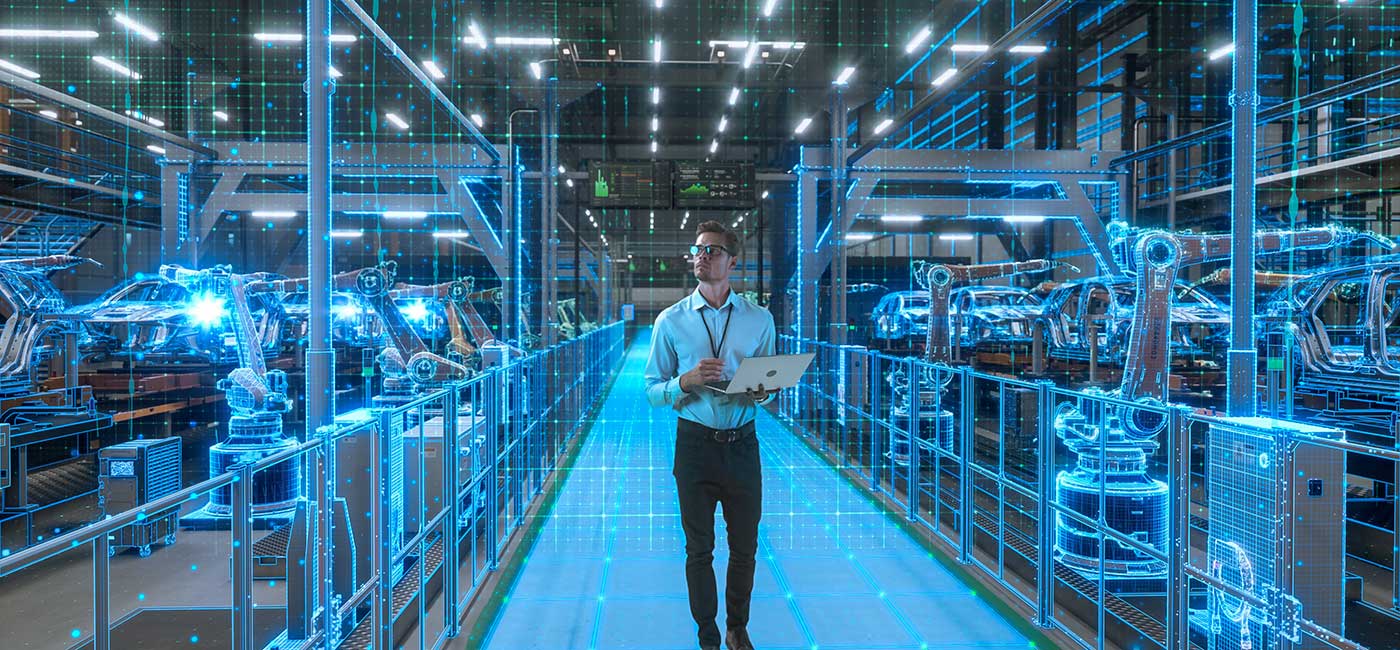

The adoption of digital twins is accelerating at a rapid pace, with the global market expected to reach $379 billion by 2034, writes Ayesha Iqbal, IEEE Senior Member and Engineering Trainer at the Advanced Manufacturing Training Centre.
Capable of producing virtual replicas that simulate real-work scenarios, digital twins are proving invaluable for decision making across sectors like aerospace, healthcare, and smart cities.
While the technology offers sweeping benefits, such as cost reduction and enhanced efficiency, its impact is most transformative in manufacturing industries.
In fact, the Institute of Electrical and Electronics Engineers (IEEE) highlighted in their recent Impact of Technology in 2026 survey that the use of digital twin technology for virtual simulations will be a core focus in 2026. This technology will enable organisations to more efficiently design, develop and safely test product prototypes and manufacturing processes.
As confidence soars, the question isn’t if digital twins will reshape manufacturing, but how fast. The cost of implementation, data interoperability issues when integrating with the Internet of Things (IoT), and cybersecurity concerns, are some of the key challenges businesses are facing when adopting digital twin technologies.
How IoT sensors power digital twin applications
When combined with IoT devices, digital twins play a pivotal role in driving manufacturing growth. The technology creates virtual, real-time replicas of physical systems that continuously learn and adapt through sensor data. It enables companies to simulate, analyse, and refine everything from design and prototyping to inventory management, as well as workplace safety.
Innovative technologies like digital twins have huge practical value when employed in manufacturing. One of the core advantages of digital twins is the enhancement of predictive maintenance. When paired with IoT, it allows manufacturers to monitor the real-time condition of machinery and other equipment, enabling them to predict any potential failures before they occur. Scenarios can be simulated and analysed using these applications. In this way, bottlenecks and workflows can be identified, and overall efficiency can be enhanced through the optimisation of manufacturing processes and operations.
For instance, Ford implemented IoT sensors on production-line equipment to monitor temperature, pressure, and vibration, which helped identify early component fatigue. This led to a 25 percent reduction in machine failure rates and a 15 percent reduction in equipment downtime. Companies like Siemens, GE, Bosch, Boeing, and Unilever are similarly benefitting from the technology. Positive results include improved operational efficiency, enhanced safety and risk management, all while reducing downtime, costs, and energy consumption.
Through the seamless integration of real-world data and virtual modelling, manufacturers can move from reactive to proactive decision-making. This not only enhances efficiency but also sustainability and innovation, laying the foundation for data-driven, digital transformation in manufacturing – also known as industry 4.0.
Challenges of integrating digital twin platforms
While the advantages are undeniable, the successful scaling of this technology hinges on overcoming critical implementation hurdles. There are specific infrastructure conditions and compatibility requirements for organisations looking to incorporate digital twins within their existing systems.
Firstly, businesses must evaluate their current infrastructure’s capacity to manage the vast data streams that result from the increased connectivity digital twins bring. Hardware limitations can also require further investment, leading to a high cost of implementation for companies.
Increased connectivity not only requires data management, it also challenges interoperability – the ability of computer systems or software to exchange and make use of information. This remains one of the biggest hurdles, as many industrial environments feature both legacy and newer systems. Each has their own communication protocols and proprietary software. For example, manufacturers might experience interoperability issues when combining diverse sensors and IoT devices with existing infrastructure. Such fragmentation could result in inefficiencies, increased downtime, and even limit decision-making capabilities. Additionally, the integration of new systems can also introduce additional cybersecurity risks as the attack surface is widened.
Overcoming these obstacles requires adopting standardised communication protocols to ensure robust cybersecurity frameworks. For example, organisations might look to invest in scalable cloud or edge computing infrastructure, as well as fostering workforce skills in data analytics and AI integration. By doing this, companies can build a more resilient and adaptable digital ecosystem and organisation, which is essential for managing increased connectivity while simultaneously defending against evolving cyber threats.
The path ahead
As these barriers are addressed, the adoption of digital twin technology will accelerate the evolution of smart factories in manufacturing. These are highly connected, self-optimising ecosystems where IoT-driven digital replicas continuously simulate, predict, and enhance production performance.
Ensuring resilient, adaptable, and sustainable manufacturing practices will define the next era of Industry 4.0. Ultimately, the speed and success of this digital transformation will depend on a strong commitment to upskilling the workforce and investing in secure, scalable cloud and edge computing infrastructure.
Author biography:

Ayesha Iqbal is an IEEE Senior Member and Engineering Trainer at the Advanced Manufacturing Training Centre. She has a master’s degree in Electrical Engineering from University of Engineering & Technology, Lahore, Pakistan, and served as a lecturer in the Department of Electrical Engineering, University of Management & Technology, Lahore, Pakistan for nine years.