
Digital automation is reshaping global manufacturing, enabling companies to boost efficiency, cut energy costs, and meet sustainability targets. For Roca, the Spanish bathroom manufacturer with 79 factories worldwide, the challenge is not only to stay competitive but to extract maximum value from existing assets. By partnering with Schneider Electric to integrate real-time monitoring, energy tracking, and automated production processes, the company has achieved measurable gains in operational efficiency and energy reduction, while freeing thousands of work hours. Lucy Barnard sat down with Jacques Nieuwland, Roca’s Director of IT and Digital Transformation at Roca Group, to explore how the process unfolded.
Q: Why did you decide to invest in digital automation?
I would say the need was twofold. On one hand, we wanted to monitor energy consumption in the plant, understand it, and optimise it. On the other, we wanted to monitor operational efficiency and understand why we have stoppages, why efficiency is what it is. We also looked at bottlenecks and focused on the areas where improvements would have the most impact. By putting data into context, we could drill down to the machine or product level and address inefficiencies, like residual energy consumption at night, which we were able to eliminate.
Q: How did you start the project?
We began with a pilot at our Cantanhede plant in Portugal. Together with Schneider Electric, we identified ten potential use cases and selected the three most promising, with a projected payback of two and a half years. We implemented software, processes, and hardware like sensors and PLCs. It was an investment, but the return was clear, and we already see the expected savings on target, even after just a year and a half.
Q: What hardware and software did you use?
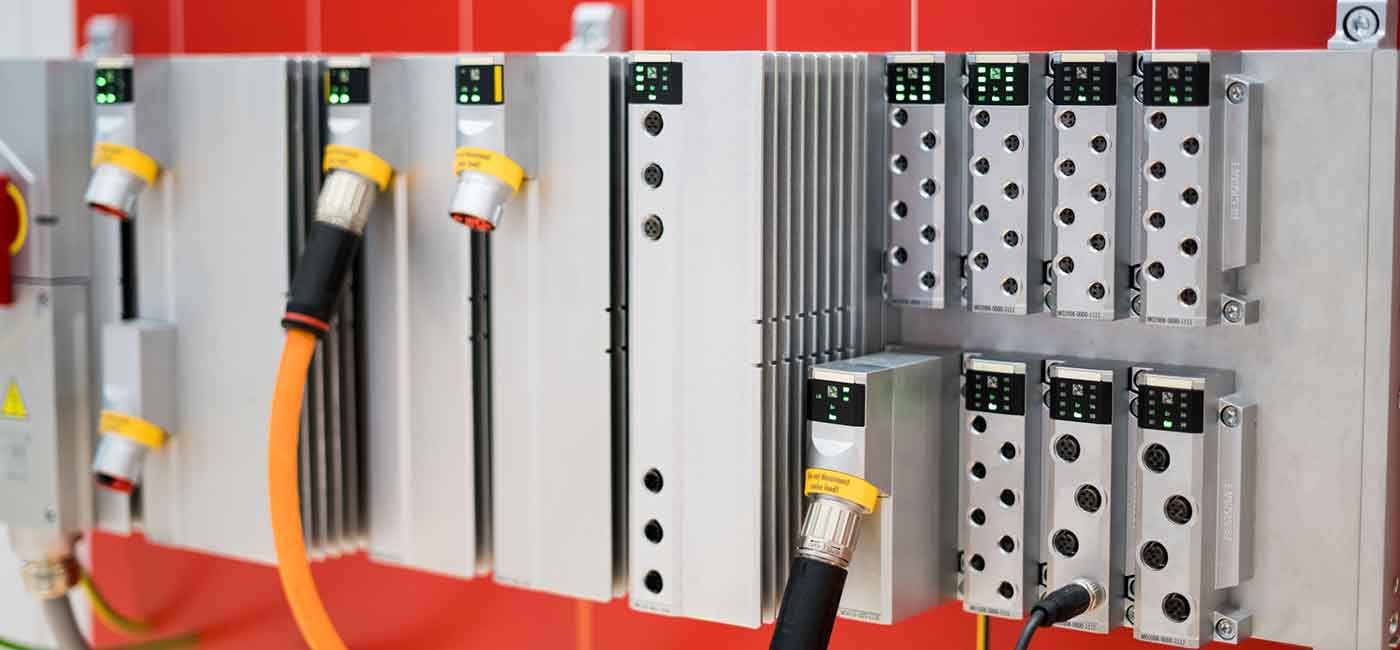
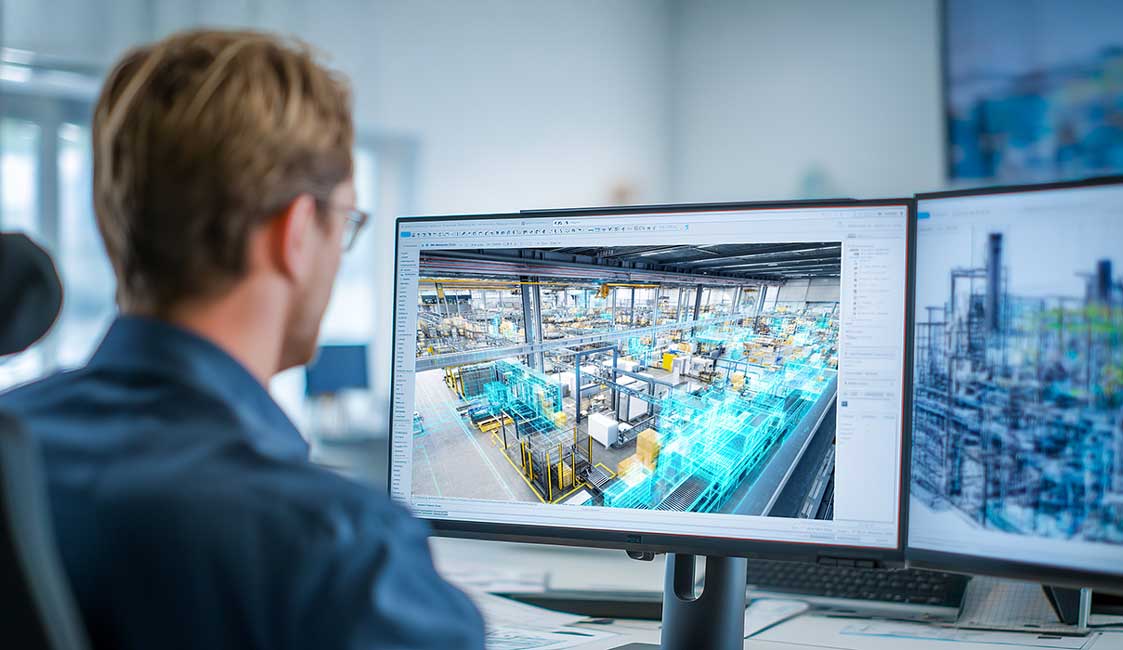
We built on an already automated factory. On the hardware side, we added sensors and power metres to monitor production and energy usage more accurately. For software, the initiative leverages Schneider Electric’s AVEVA MES and AVEVA System Platform for real-time production monitoring, quality control, and decision-making. We also use SCADA, Power Monitoring Expert, and the AVEVA PI System for detailed energy tracking and compliance with ISO 50001 standards. Our ERP system feeds production plans into these platforms, allowing us to track output in real time, compare it against targets, and monitor machine stoppages accurately.
Q: What improvements have you seen so far?
We’ve improved operational equipment efficiency by 2.1%, aiming for 3% by year-end. Energy consumption per ton of production has fallen by 1.86%, and we expect to reach 3% once all areas are covered. Automation and digitalisation have saved roughly 4,400 work hours annually—mostly by eliminating manual data collection and paperwork. That’s roughly equivalent to freeing up two to three employees for a full year.
Q: How did your employees respond to these changes?
Change is always challenging. People are proud of their factory, so we involved them from the beginning, explained the benefits, and listened to their feedback. We did testing, training, and follow-up visits. The result is a system they are part of, which improves productivity and ergonomics.
Q: How has production output been affected?
Efficiency has improved without compromising output. For example, at Cantanhede, we produce taps. While operational efficiency increased, energy use per tap decreased. Operators can justify machine stoppages and track progress, so bottlenecks are managed effectively.
Q: What are the next steps for Roca?
We plan to roll out the system across our global network. The system itself is solid; we will enhance analytics to dig deeper into root causes and improve decision-making. Our focus remains on maximising output, staying competitive, and continuously improving operational and energy efficiency.
Q: How does this fit into Roca’s broader strategy?
This is about operational excellence, growth, and sustainability. We need to continuously improve, optimise our assets, and avoid unnecessary investment. Efficient factories are competitive factories, and that is our goal.