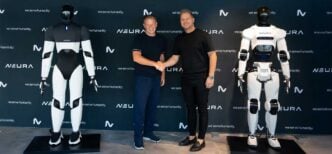
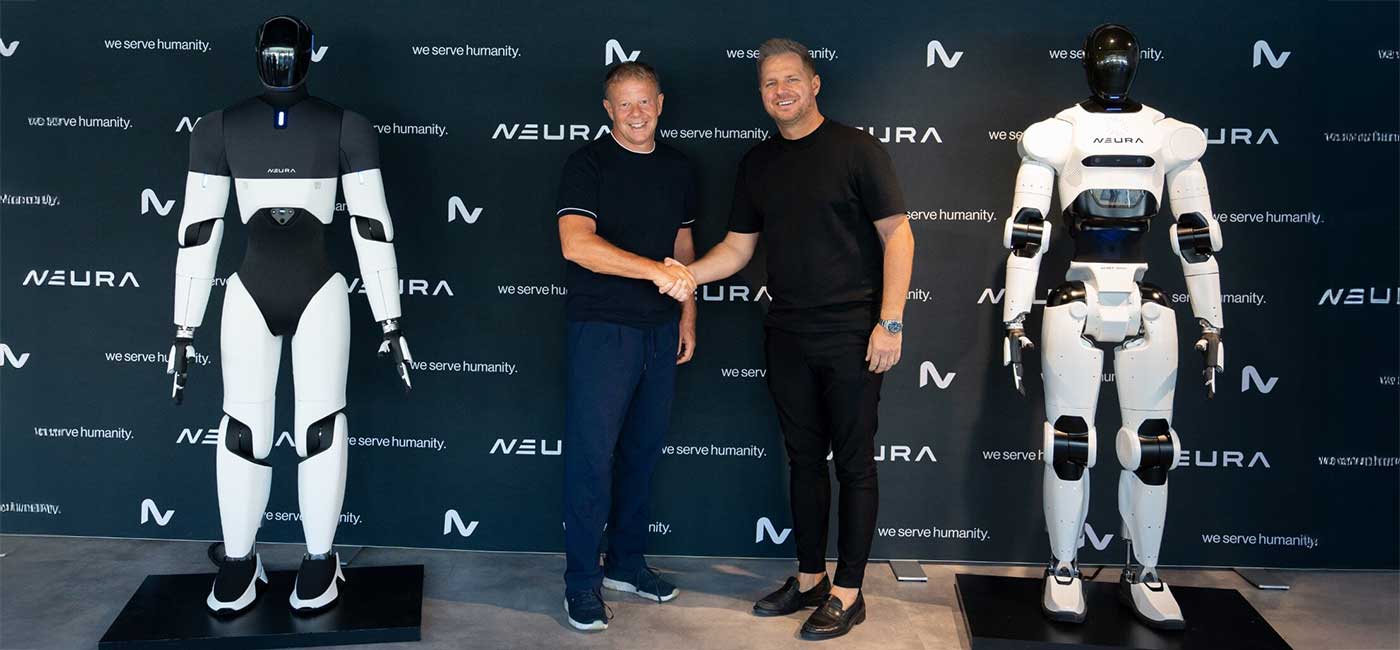

German robotics company NEURA Robotics and Italian embedded computing specialist SECO are partnering to develop and manufacture technology for physical AI systems, with semiconductor and electronics manufacturing among the initial targets.
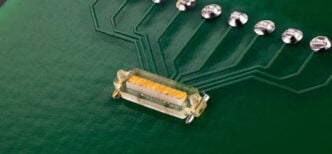
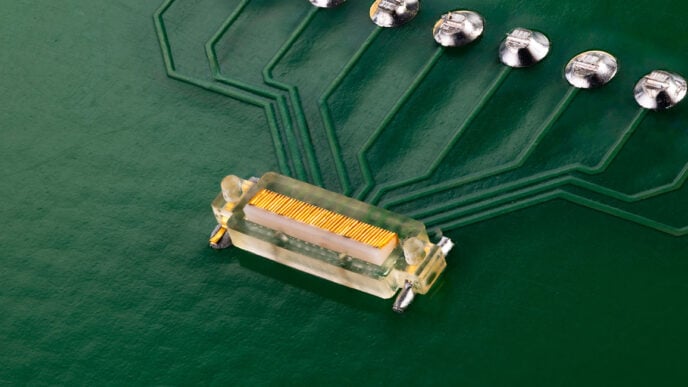
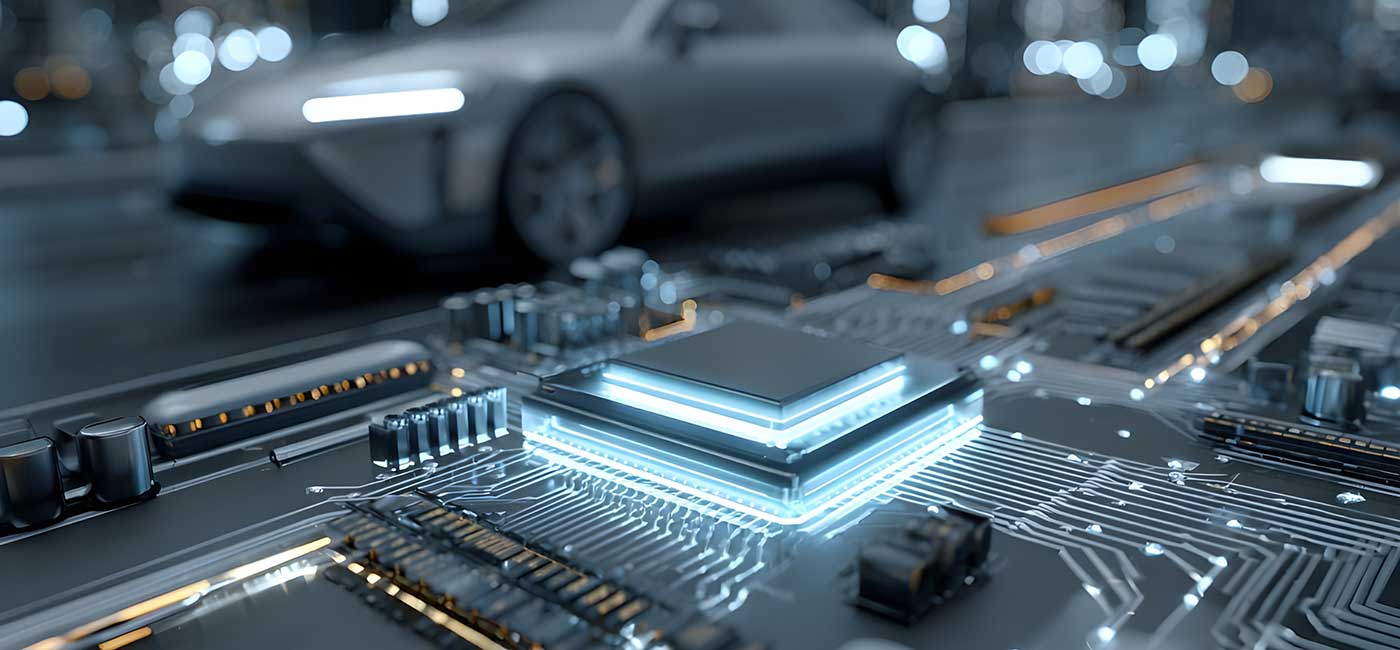
The companies said on Monday that SECO will design, engineer and manufacture electronic compute modules for NEURA’s cognitive robots, including its 4NE1 humanoid platform. The modules will use Qualcomm Dragonwing processors and form part of NEURA’s distributed computing architecture.
The partnership is intended to address one of the challenges facing AI-enabled robotics as the technology moves from research and demonstrations towards industrial deployment: combining high-performance computing with the sensing and control capabilities needed to operate safely in physical environments.
NEURA’s architecture distributes sensing and computing across its robots through what the company calls its “Brain + Nervous System” approach. Its Smart Limb concept places processing closer to joints, sensors and other points of physical interaction, allowing robots to make decisions locally rather than relying entirely on a central processor.
SECO will support the industrialisation of these compute modules, drawing on its experience in embedded computing and electronics manufacturing. Qualcomm’s Dragonwing processors provide the underlying Edge AI computing platform.
The companies also plan to work on the use of real-world industrial data to develop Physical AI automation solutions for semiconductor and electronics manufacturing.
The partners said robots deployed in industrial environments will generate production data that can be used to teach machines more complex processes. The resulting capabilities could then be adapted for use across other manufacturing environments.
The approach reflects a broader shift in industrial automation towards AI systems that can learn from physical environments and respond to changing conditions, rather than relying solely on pre-programmed sequences.
For manufacturers, the potential benefit is greater flexibility in automating tasks that are difficult to address using conventional industrial robots, particularly where processes involve variable environments or require robots to interact with people, machines and components.
The partnership will also include the development of a NEURA Gym in Italy, which the companies said will become the robotics company’s first training hub in southern Europe. NEURA uses its “Gyms” to develop and train robot capabilities for real-world applications.
The agreement brings together three areas of technology that are increasingly converging in industrial automation: robotics, Edge AI computing and embedded systems.
SECO already works with Qualcomm on industrial computing platforms based on Dragonwing processors. The company said the new agreement will extend that relationship into robotics by developing compute hardware specifically for NEURA’s cognitive machines.
The companies also positioned the partnership as part of an effort to strengthen Europe’s role in the emerging Physical AI market. The compute modules for NEURA’s robots will be developed and manufactured in Europe, linking robotics and embedded manufacturing capabilities with computing technology from Qualcomm.
David Reger, Founder and Chief Executive of NEURA Robotics, said the development of Physical AI would require collaboration across sensing, computing, cloud infrastructure and industrialisation.
Max Mauri, Chief Executive of SECO, said the partnership would combine the company’s engineering and technology expertise with NEURA’s robotics architecture and Qualcomm’s computing platforms.