
Stratasys, the US-Israeli additive manufacturing group, is moving beyond its polymers base with an expansion into metal 3D printing through an investment in, and commercial partnership with, Israel’s Tritone Technologies.
Announced on 17th November in Minnetonka and Rehovot, the agreement gives Stratasys access to Tritone’s production-grade metal and ceramic technologies, a step the company said would broaden its addressable market and strengthen its bid to become a full-spectrum supplier of industrial additive manufacturing systems.
Dr Yoav Zeif, Stratasys’s Chief Executive Officer, said manufacturers in sectors including government, defence, and aerospace had been seeking an industrial metal option to complement the group’s polymer systems. He described Tritone’s technology as offering a compelling mix of part quality, cost efficiency, and a consumables-driven business model.
Stratasys is taking an initial minority stake in Tritone as part of a fundraising round that also includes Discount Capital and Fortissimo Capital. The deal provides an option to increase its holding over time. A phased commercial agreement will see the companies collaborate on sales, marketing, and support for Tritone’s reseller network.
Hanoch Papoushado, Chief Investment Officer at Discount Capital, said the partnership’s “strong synergy” would accelerate growth for both businesses.
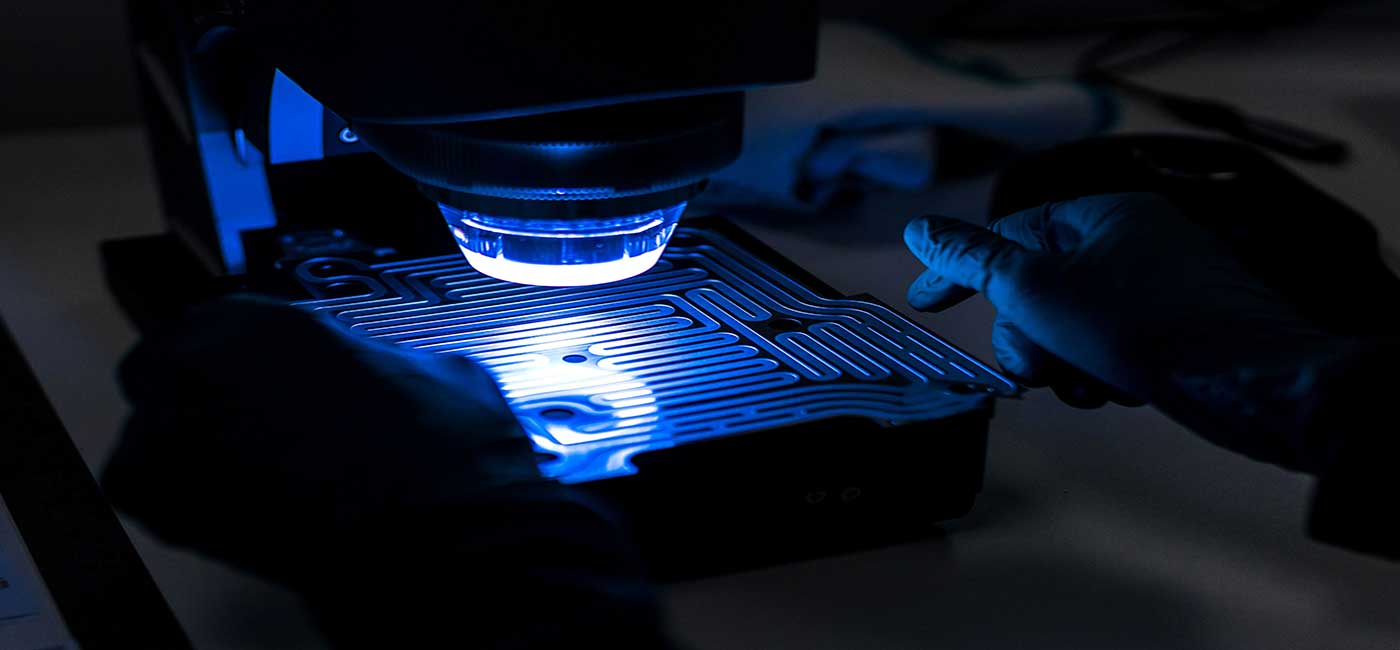
Founded in 2017 by Ofer Ben Zur, a veteran of Kornit Digital, Tritone has developed a powder-free metal and ceramic process known as MoldJet, designed for industrial-scale production of dense, complex parts. The technology allows manufacturers to switch quickly between materials, enabling mixed-geometry batches and reduced downtime.
Ben Zur said joining forces with Stratasys would help expand global reach and give customers greater confidence in adopting metal and ceramic additive manufacturing for serial production.
Stratasys, listed on NASDAQ, is a long-established provider of polymer-based 3D printing systems used across aerospace, automotive, consumer goods, and healthcare. The company said the move into metals aligns with wider trends towards scaled-up, digitally driven manufacturing.