British adults are more anxious about robots than anywhere else in the world, according to a new global study released by Hexagon. The Robot Generation research, spanning nine major markets and 18,000 participants, finds the UK ranks #1 for robot anxiety, with over half (52%) of British adults feeling worried when thinking about robots (vs a 42% global average).
The data points to a clear explanation: Britons are also the least exposed. Just 30% of British adults say they have already seen or used robots in real life. That’s compared with 38% in Germany and 75% of adults in China.
Home comforts
Nowhere is the discomfort clearer than at home. British adults are the most uncomfortable of any market about interacting with a robot in the home (39% uncomfortable, vs 32% comfortable). In comparison, American adults are more relaxed about having robots in the house (43% comfortable, vs 32% uncomfortable). In countries like India, Brazil, and China, over 60% of adults say they are comfortable having robots in their homes.
“Across the world, people aren’t simply pro-robot or anti-robot. They’re asking where robots belong, what they should do, and what safeguards must come first,” said Burkhard Boeckem, CTO at Hexagon. “In the UK, the message is especially clear: confidence lags when robots feel distant or unfamiliar. Trust breaks down when robots are pushed into everyday or domestic roles before governance, safeguards, and human control are clearly in place. The opportunity is to build trust the right way, by deploying robots where they make work safer and less physically punishing, such as heavy lifting, hazardous inspections, and continuous monitoring.”
Despite the worry, the study points to a practical path forward: start with the environments where people already feel most comfortable with robots and where the benefits are easiest to see.
Workplace impact
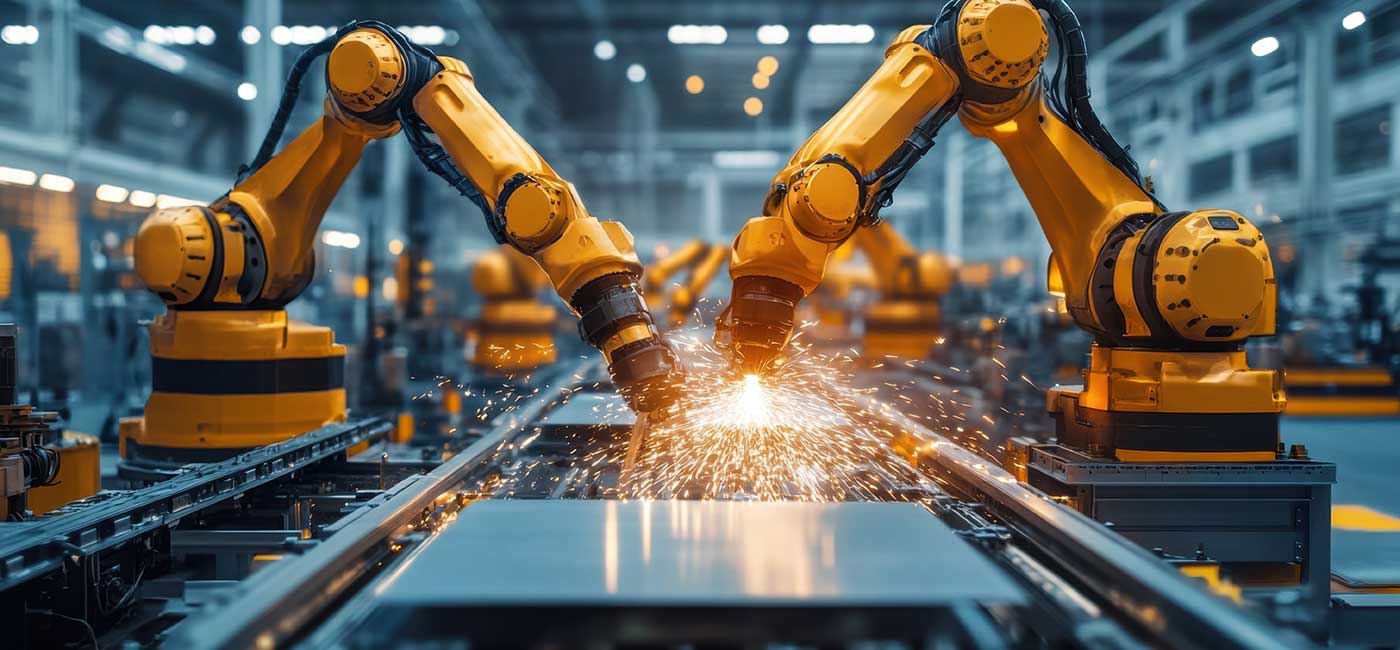
Globally, 63% of adults are comfortable interacting with robots in factories and warehouses, compared with 46% in the home. However, UK comfort levels are lower, with 53% comfortable in industrial settings, 10 points below the global average.
When it comes to workplace impact, adults’ hopes and worries are also sharply defined. Half of adults say the biggest benefits delivered by robots are productivity and speed (51%) and keeping people safer by doing risky jobs (50%).
While concerns that robots will replace humans in the workplace are high (41% among adults), it wasn’t the biggest concern identified by the research. Instead, the number one worry for adults worldwide was that robots could be hacked (51%) or cause direct harm or malfunction (41%). This suggests that trust, rather than economic competition, is the key barrier to further robot adoption.
“When people actually meet a robot, especially a small, friendly one, the fear often disappears. You can almost hear them think, ‘Oh, that’s not going to take over the world.’ Exposure changes the conversation very quickly,” said Michael Szollosy, Research Fellow in Robotics. “If scientists and engineers want people to come with them on this journey, they have a responsibility to explain why these technologies exist and what they’re actually for. If you don’t take people with you, the counter-narrative sticks and once that happens, it’s very hard to undo.”
Dr Blay Whitby, Technology Ethicist, added: “A world with robots could be a better world, certainly better than one where humans have to do some very unpleasant jobs. Automation doesn’t remove the need for humans. Even highly automated systems still require human oversight. We have to learn, and we are learning, to live together with robots.”