
Siemens has expanded its startup support programme in Europe, offering early-stage companies access to industrial software tools traditionally used by large manufacturers as the German technology group seeks to accelerate the commercialisation of new industrial technologies.
The announcement, made at the VivaTech 2026 conference in Paris, introduces three software collections tailored specifically for startups, covering design, simulation and electronics.
The move reflects growing efforts by major industrial groups to engage with startups developing next-generation technologies in sectors such as automation, robotics, aerospace, advanced manufacturing, and industrial AI.
One of the biggest challenges facing industrial startups is bridging the gap between successful laboratory development and large-scale commercial deployment. While universities and incubators often support early-stage innovation, many companies struggle to secure industrial partners, reference customers, and the technical infrastructure needed to scale production.
Siemens said its programme, which has been running in the USA since January 2025, aims to address these barriers by combining software access with opportunities for collaboration and market exposure. Startups joining the programme will also be able to offer their products and services through the Siemens Xcelerator Marketplace, potentially gaining access to a global industrial customer base.
“Collaborations between industry and startups have become a strategic competitive factor,” said Peter Koerte, Chief Technology Officer and Chief Strategy Officer at Siemens. “Startups contribute speed while Siemens contributes industrial depth and trusted global customer relationships.”
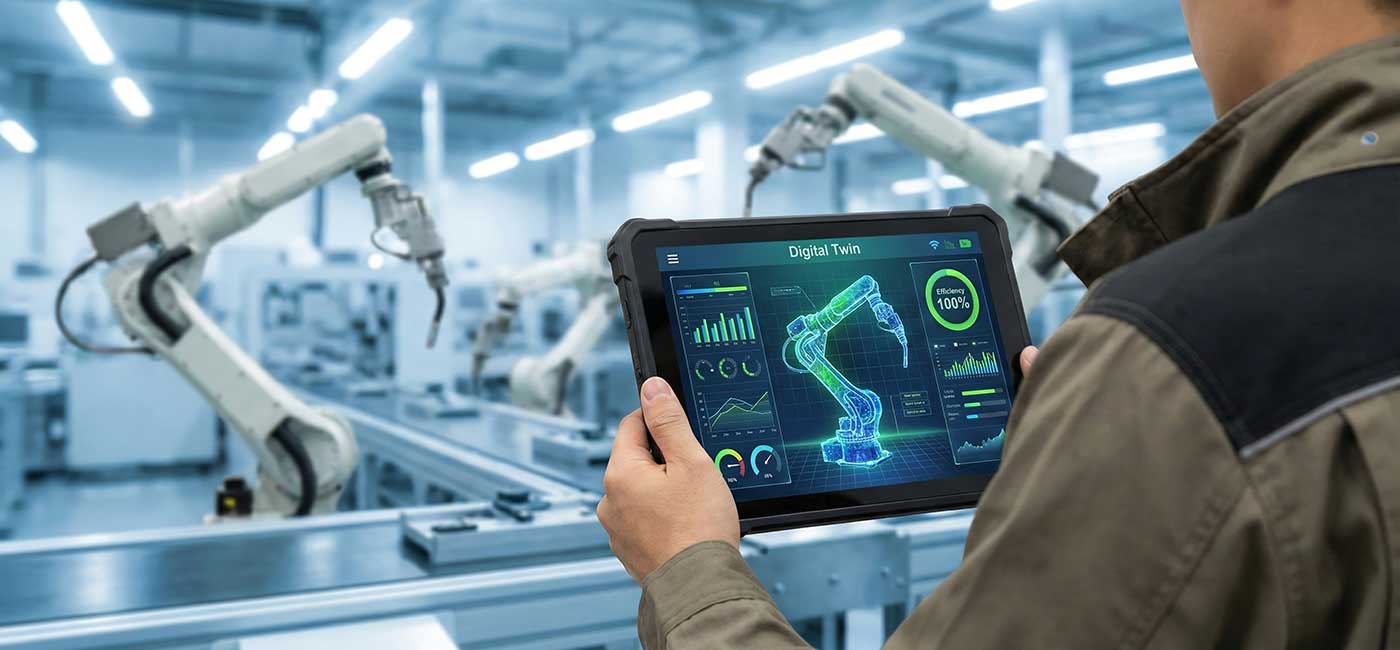
The initiative highlights the growing importance of digital engineering platforms in industrial innovation. Access to integrated design, simulation, and manufacturing software allows companies to test and refine products virtually before committing to costly physical prototypes and production facilities.
Among the companies already using the programme is French space technology startup Latitude, which is developing launch vehicles and additively manufactured rocket engines. The company said Siemens software has enabled engineers to design, simulate, and validate complex aerospace systems in virtual environments, reducing development risk and shortening testing cycles.
“In space, every kilogram of launcher and every engineering hour counts,” said Kevin Monvoisin, Co-founder of Latitude. “The Siemens Xcelerator portfolio allows us to design, simulate and validate our launcher and engine with speed and precision, without waiting until we have the budget of a large prime contractor.”
The announcement comes as industrial software providers increasingly compete to attract startups that could become future enterprise customers. By lowering entry barriers to advanced engineering tools, companies such as Siemens hope to embed their platforms at an early stage of product development.
Siemens said its global startup programme has worked with more than 7,000 startups to date through initiatives focused on connecting entrepreneurs with industrial customers, technology partners, and investment opportunities.
The latest European expansion underscores the company’s broader strategy of building an industrial ecosystem around its Xcelerator platform.