
Industrial automation is transforming manufacturing by making processes smarter, safer, and more efficient, writes Ankur Tomar, Regional Marketing Solutions Manager at Farnell Once limited by cost and complexity, automation is now more accessible thanks to low-cost single-board computers (SBCs) like Arduino and Raspberry Pi. These compact, versatile devices are revolutionising industrial systems with affordable intelligence and flexibility. But which is better?
Industrial automation systems are vital to the productivity, reliability, and safety of modern manufacturing. They improve established manufacturing processes, and provide the smarts needed to make things in new ways, such as with 3D printing techniques and collaborative robotics systems.
The good news is that, thanks to a combination of evolving technology and changing attitudes to how technology is shared, it’s becoming much easier and more cost effective to implement industrial automation systems. One of the main drivers of this trend is the emergence of low-cost single-board computers (SBCs). Initially developed for the hobbyist and educational markets, they are now taking their place in industrial settings.
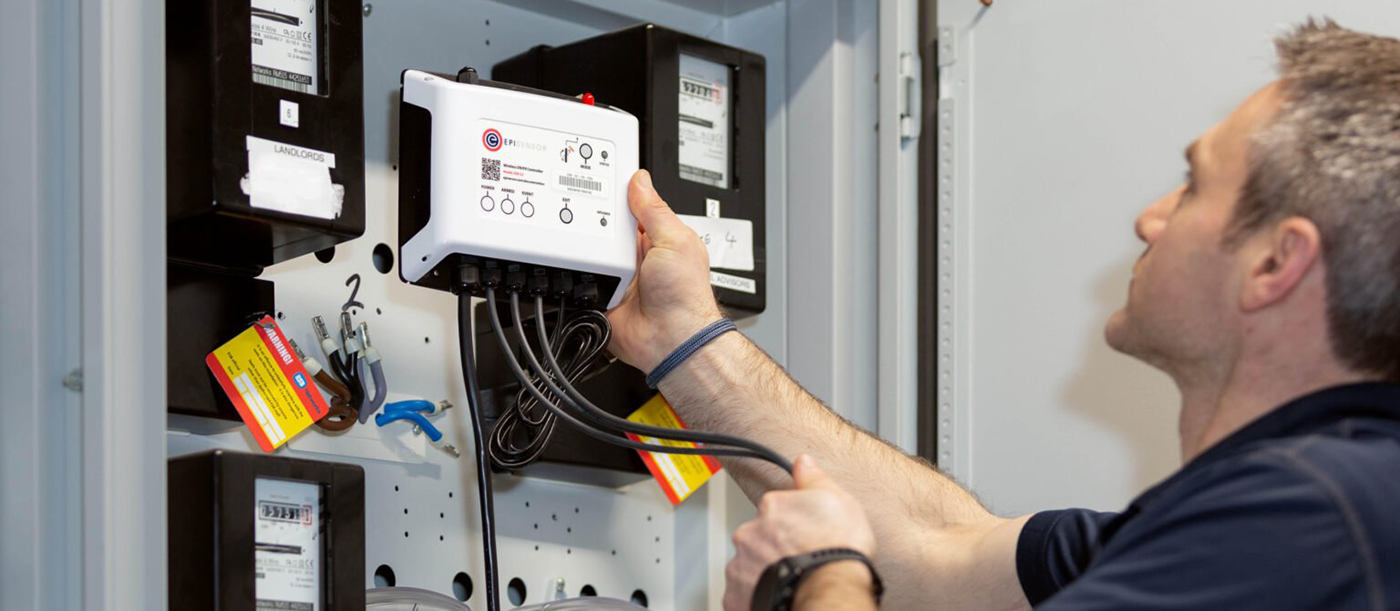
There are two main players in this market: the Arduino boards, and the Raspberry Pi family of standalone computers and embeddable computing modules. Both are cost effective, have form factors that encourage third-party add-ons, support many forms of connectivity, and expose multiple I/Os for user experimentation. They are both backed up by good documentation, strong community support, and an active user base.
Both the Arduino and the Raspberry Pi are already widely used for desktop prototyping of embedded systems and for small-scale implementations. They are now being packaged for use in industrial environments, often as replacements for proprietary programmable logic controllers (PLCs).
Arduino vs Raspberry Pi in industrial automation
Each board has its own strengths. The Arduino, for example, is based on a microcontroller, which enables it to provide the kind of deterministic, real-time control that is critical for many industrial automation tasks. This makes it a reliable way of implementing simple, repetitive control logic, and suitable for use in embedded systems for sensor integration, motor control, and basic automation.
The Raspberry Pi, on the other hand, runs a full operating system (a Linux variant), which can introduce latency and make real-time performance less predictable. This makes it less suitable for hard real-time control, but more suitable for higher-level tasks such as data processing, monitoring, and IoT integration.
The two SBC families also have different I/O facilities, which will also influence a buyer’s choice. The Arduino offers a variety of digital and analogue I/Os, which makes it easy to interface with industrial sensors and actuators. The Raspberry Pi, on the other hand, has powerful expansion capabilities that can add in support for industrial-grade I/O, for example to drive relays or connect to Modbus, CAN, and RS-485 networks.
In terms of programming, the Arduino offers a simple, user-friendly programming environment that is useful for prototyping systems and integrating sensors and communication protocols, but less suited for complex software tasks. The Raspberry Pi, on the other hand, supports a wide range of programming languages (Python, C/C++, etc.) and so can run advanced software, including machine-learning and data-visualisation tools. It is also well suited for integrating with cloud platforms and Internet of Things (IoT) ecosystems.
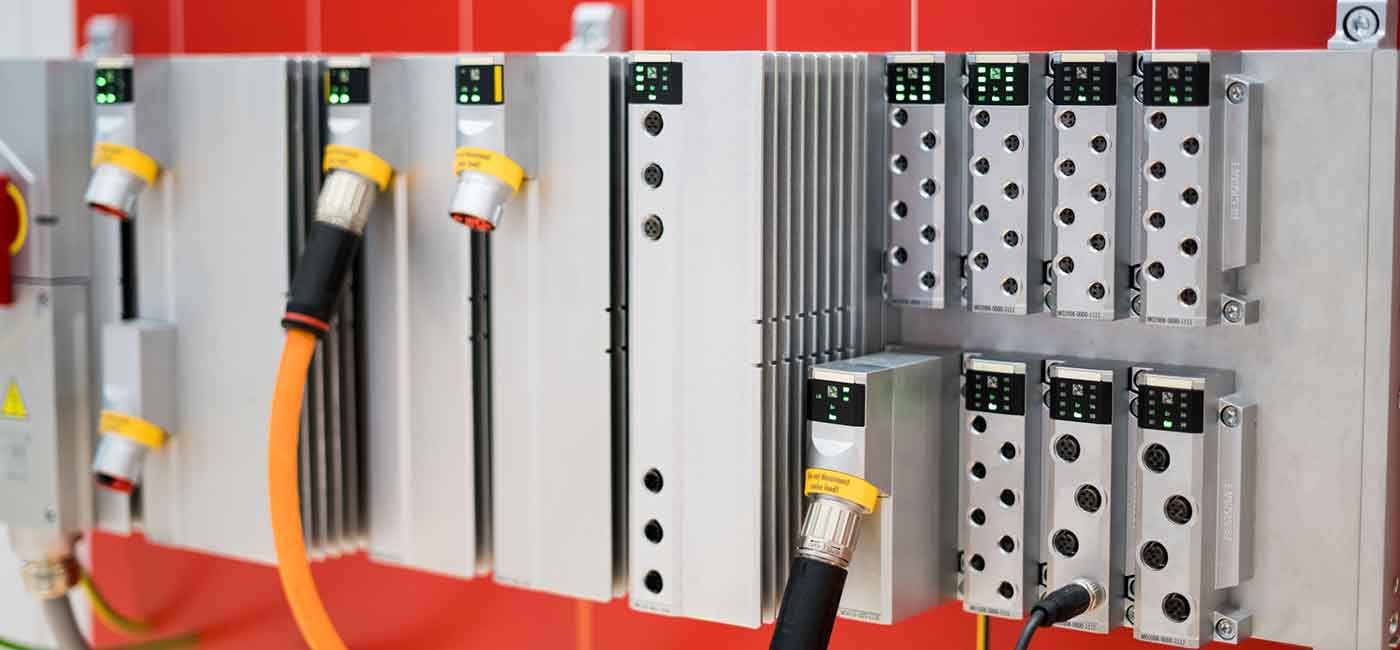
Both SBCs can be packaged to survive use in industrial applications. This is usually done by building them into enclosures and providing protection for (and from) the various forms of I/O signals, as well as providing the facilities that ensure the packaged SBC meets the safety and reliability standards needed in industrial environments. For example, the Arduino Opta series are billed as micro-PLCs for use in industrial environments, packaged and protected for mounting on standard DIN rails like conventional PLCs.
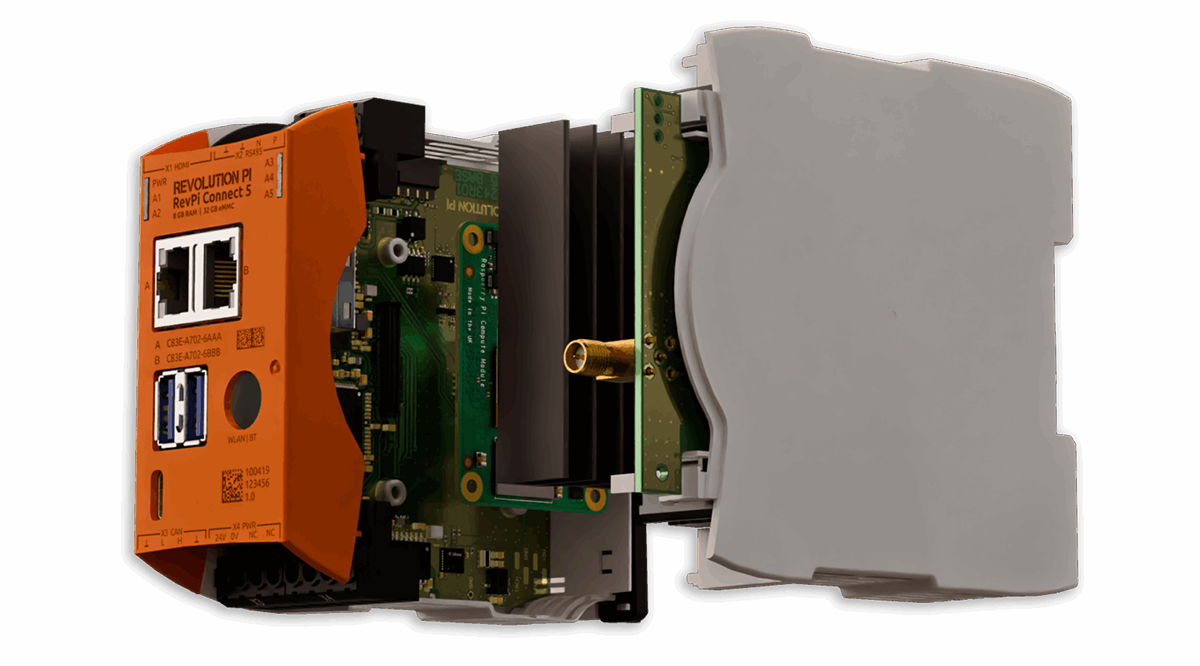
Both Arduino and Raspberry Pi also offer stripped-down SBCs for embedding in other systems. Among these are the Arduino Nano, MKR and Uno series, while Raspberry Pi offers the CM400 computing module. Companies such as EDA Technology have used the CM400 as the heart of its CM4 Industrial embedded computer, which can be configured with a choice of memory and storage capacities depending on the application. It provides a variety of industrial communication interfaces and functions suitable for professional and industrial applications that need reliability.

Examining advantages
While Arduino may have an edge for real-time control, acquiring sensor data and commanding actuators, Raspberry Pi can offer powerful computing resources that can handle more sophisticated analyses of captured data.
For example, the Raspberry Pi can be programmed to use data from accelerometers to monitor vibrations in rotating machinery, enabling maintenance teams to detect potential issues in real time. Its processing capabilities also enable Raspberry Pi to run models that help maintenance teams predict upcoming issues, reducing unexpected outages and so improving manufacturing efficiency. This ability to handle larger computing tasks locally also enables industrial automation systems based on the Raspberry Pi to operate at lower latency while creating less network traffic – useful in systems with limited network bandwidth.
Both Arduino and Raspberry Pi can be used to build human/machine interfaces (HMI) quickly and at low cost. Both ecosystems include add-in boards that support a wide range of displays, from simple LEDs through HD LCDs to e-ink panels for low power use-cases. Human inputs are also easily implemented, especially in the Arduino world, where third-party manufacturers offer accessory boards that feature interface components such as single buttons or rotary encoders.
The Raspberry Pi’s support for higher-level communication protocols such as SSH tunneling and VPNs makes it secure and straightforward to connect it to an IoT ecosystem and then implement the HMI as a web-based dashboard. This approach enables more sophisticated cloud-based data analysis and the implementation of more intuitive real-time visualisations of manufacturing-process performance trends. It also reduces the need for a physical presence in remote or hazardous environments, which is better for operator safety as well as being more cost effective.
Machine learning at the edge in industrial automation
The ability to implement highly capable computing resources at the edge of a network using Arduinos and Raspberry Pi SBCs is changing the nature of industrial automation.
It means that real-time data direct from sensors can be captured, validated, analysed and acted upon locally, without reference to a central server or cloud facility. This enables the use of locally processed machine-learning models for image recognition, anomaly detection, and predictive analytics, enabling more effective real-time monitoring, machine-control and quality-assurance systems.
The cost effectiveness of these SBCs is making it possible to bring machine-learning strategies right into the heart of manufacturing processes, enabling faster and more effective process monitoring and control. It’s just one of the ways in which the emergence of low-cost SBCs such as those in the Arduino and Raspberry Pi ecosystems promise to improve industrial automation. If you’re interested in exploring the potential to do so in your own application, Farnell has the insight and the inventory to help you get started.
Author biography:
Ankur Tomar has seven years of mixed experience in Electronics Design and Distribution industry, which concludes considerable amount of exposure & experience in Product Design & Development, Technical Support, Business Development, Technical Product Marketing, and Product Management & Sales.