
In the port town of Marsala, on the western edge of Sicily, tradition and technology are quietly reshaping one of Italy’s oldest coffee companies.
Zicaffè, a fourth-generation family business founded in 1929, is blending its artisanal coffee heritage with cutting-edge automation to improve efficiency, traceability, and sustainability across its operations.
The company has recently embarked on a digital transformation project that uses radio-frequency identification (RFID) technology to track every bag of raw coffee beans from arrival to roasting and shipping.
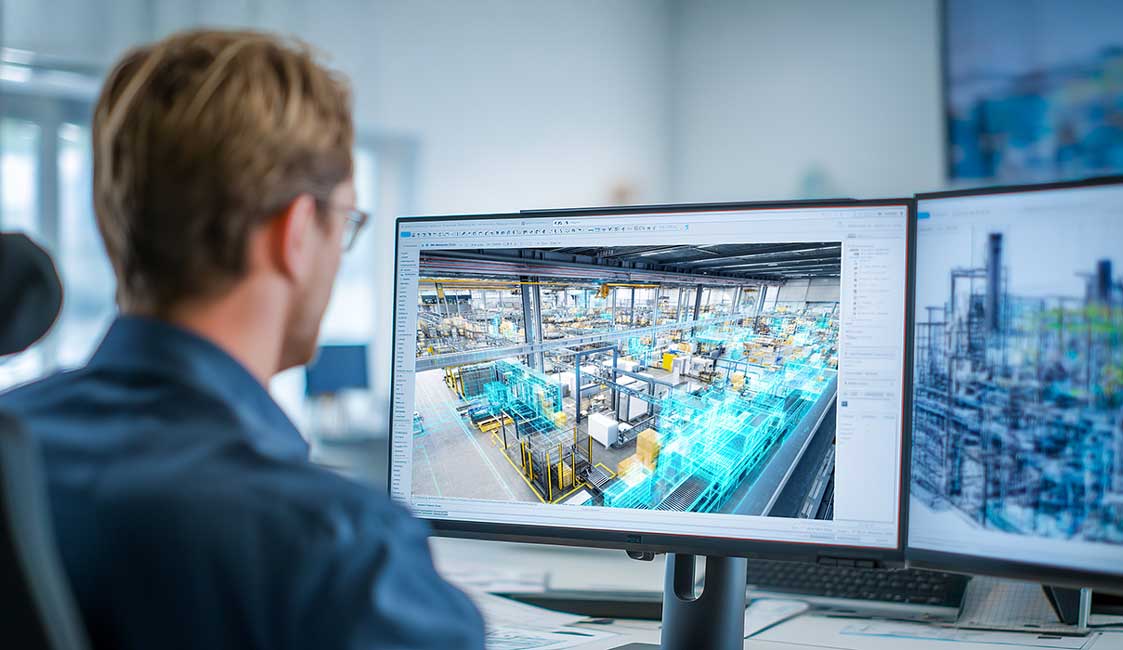
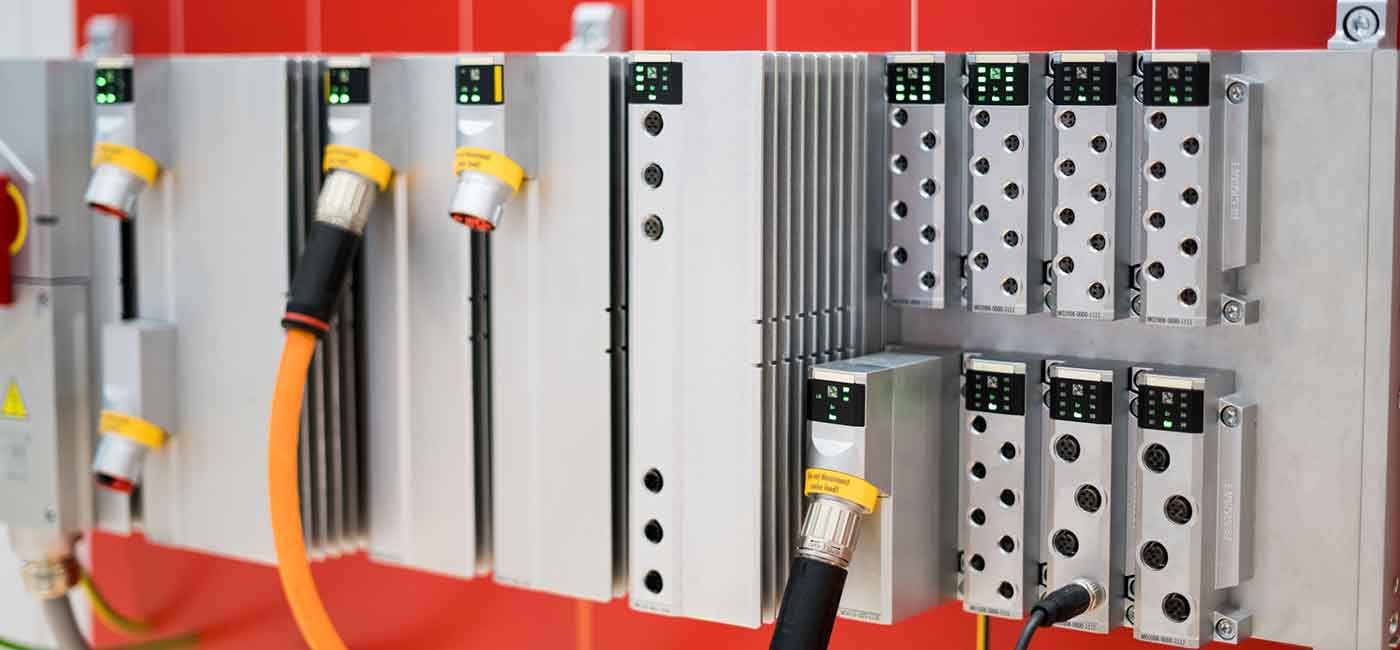
The system, designed in collaboration with Italian technology company Bit Control, integrates Schneider Electric’s EcoStruxure Automation Expert software to connect weighing, production, and business management systems into a single digital framework.
“Traditionally, our weighing and tracking were manual,” explains Giuseppe Zichittella IT Manager at Zicaffè.
“We used to weigh bags using analogue equipment, then enter the data manually into the factory system. That meant delays, errors, and a lot of paper.”
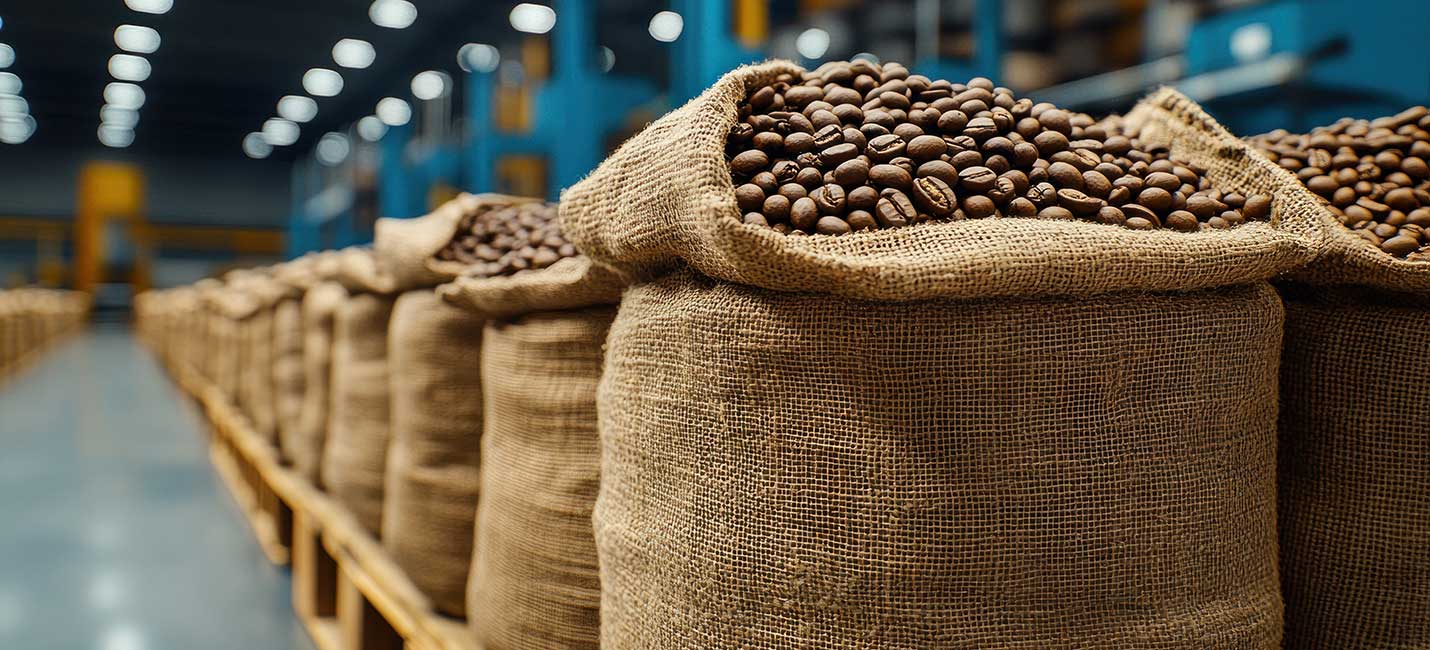
Now, each bag of green coffee beans arriving at the Marsala site is fitted with a unique RFID tag. These tags allow real-time monitoring throughout the production chain, ensuring that the right beans are used in the right blend—a critical step in maintaining quality.
The technology immediately flags mistakes before they happen.
“If an operator picks up the wrong bag, alarms sound before the beans even reach the hopper,” says Zichittella, speaking exclusively to Automation News at the Schneider Electric Innovation Summit this week.
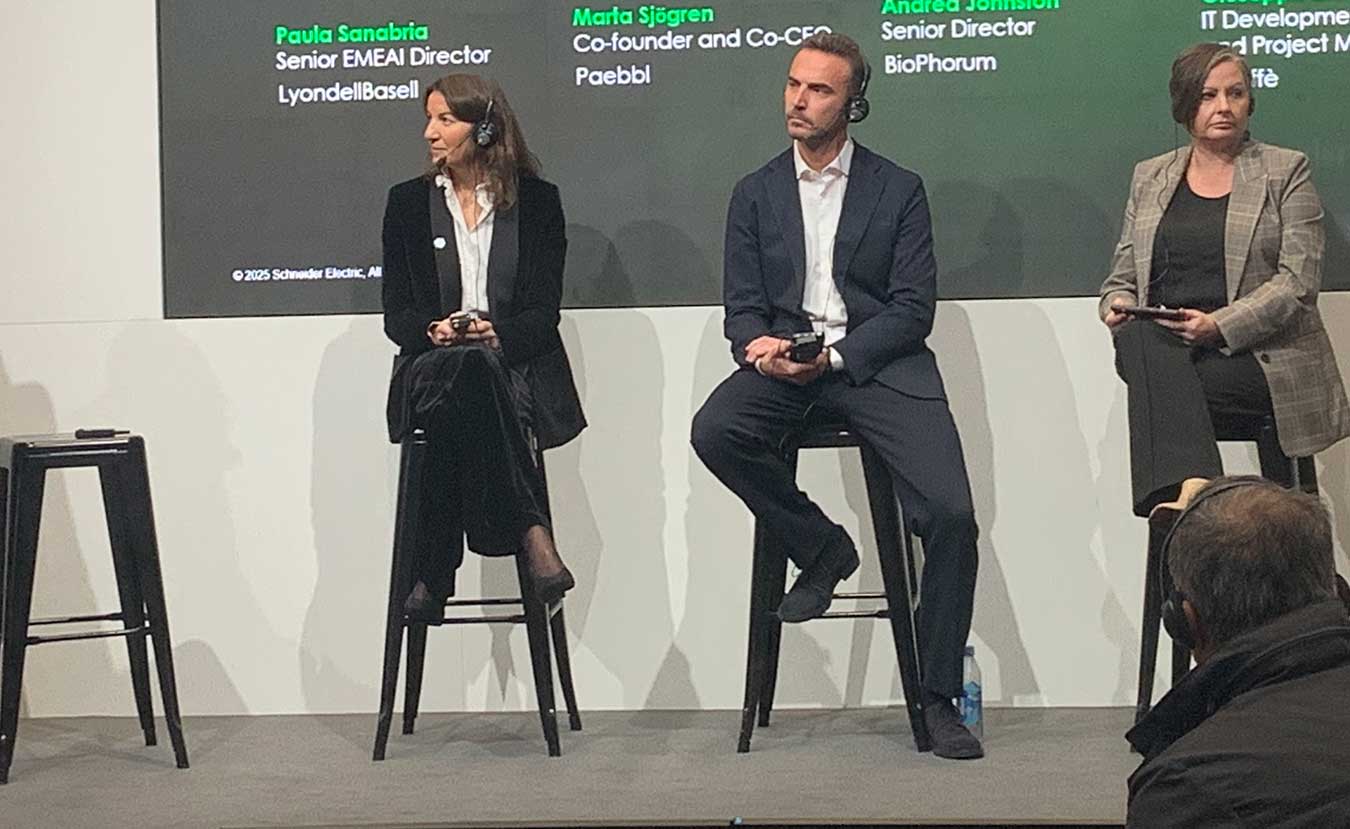
“We’ve gone from dealing with exceptions after the fact to preventing them entirely. In the past six months, we’ve had zero errors.”
RFID also brings financial benefits. By automatically weighing each bag at unloading, Zicaffè can cross-check supplier invoices with precise weight data. “We already recovered our investment,” Zichittella says, noting that the company recently identified a discrepancy in a shipment that resulted in a sizeable credit from a supplier.
The digital system offers more than accuracy. Because each RFID tag creates a unique digital identity for every bag, Zicaffè can build a detailed record of its journey—from container to roaster—ensuring traceability and data integrity. “Coffee is a living product,” says Zichittella. “Its quality can change with humidity or temperature. Having full visibility helps us control for those variables and guarantee consistency for our customers.”
EcoStruxure’s open, software-defined architecture was another key advantage. Zicaffè’s plant includes equipment from multiple vendors, some dating back decades. “Our systems didn’t always ‘speak’ to each other,” says Zichittella. “Now, they do. EcoStruxure can communicate across different PLCs, even older models from the 1980s. It gives us flexibility and futureproofs our operations.”
Growth of IIOT and Cloud boost RFID take-up
Neil Smith, Segment President at Schneider Electric, says that the growth of industrial internet of things (IIOT) and Cloud have given a huge boost to the adoption of RFID technology in manufacturing.
He says the project illustrates how even small-scale manufacturers can benefit from digital tools. “Zicaffè shows that digital transformation isn’t just for big industrial players,” he says. “By adopting an open automation platform and RFID tracking, they’ve gained full visibility of their operations and eliminated costly errors—without disrupting production.”
The RFID rollout began with the weighing and storage of green coffee beans but is now expanding to other areas, such as packaging. Future plans include tagging packaging components—such as valves and wrappings—to monitor consumption and prevent errors further down the production line.
Zicaffè’s digital strategy reflects a broader shift in the food and beverage industry, where traditional craftsmanship increasingly meets smart manufacturing. For Zichittella, the key is scalability. “Digital transformation is not a one-off project,” he says. “We started small, but we’re thinking big. Each step builds the foundation for the next.”
For a company that has weathered nearly a century of change, from post-war shortages to the global rise of capsule coffee, the blend of heritage and innovation may be its most powerful recipe yet.
“We’re not trying to reinvent coffee,” says Zichittella. “We just want to make sure every stage of the process runs smoothly, so the quality we promise in every cup starts with how we work behind the scenes.”