
Ørsted A/S is piloting an AI-based fault prediction solution from ABB. The solution will be installed at Avedøre Power Station to strengthen reliability and support a more resilient power system as electricity demand continues to rise.
As transport, industry and heating electrify at pace, existing grid infrastructure must operate more reliably than ever. Earlier insight into developing electrical issues can make the difference between planned maintenance and disruptive downtime.
“Broadly, most electrical faults build up over time, but they’re often only discovered late, leaving little room to respond. This solution gives operators earlier warning and more time to act,” said Søren Bagge Skou, Sales Manager, ABB Distribution Solutions in Denmark.
The solution uses AI to analyse data already available in the plant’s electrical systems, helping detect subtle changes that may indicate a developing fault. By spotting potential issues earlier, site teams can prioritise maintenance, plan interventions, and reduce the risk of outages affecting customers.
Ørsted selected ABB’s approach following an extensive market review.
Michael Jeppesen, Lead Electrical Systems Specialist at Ørsted, commented: “We were looking for a practical and cost-effective way to explore fault prediction without adding complexity. If this pilot helps us act earlier on even one developing issue, it will be a strong proof point.”
The pilot builds on Ørsted’s existing electrical infrastructure and will be introduced as part of an ongoing relay replacement program at Avedøre Power Station. ABB’s protection relays and centralised control system collect operational data that is analysed using AI to spot early signs of potential electrical issues. This phased approach allows Ørsted to test advanced analytics in live operations while creating a scalable foundation for broader future use.
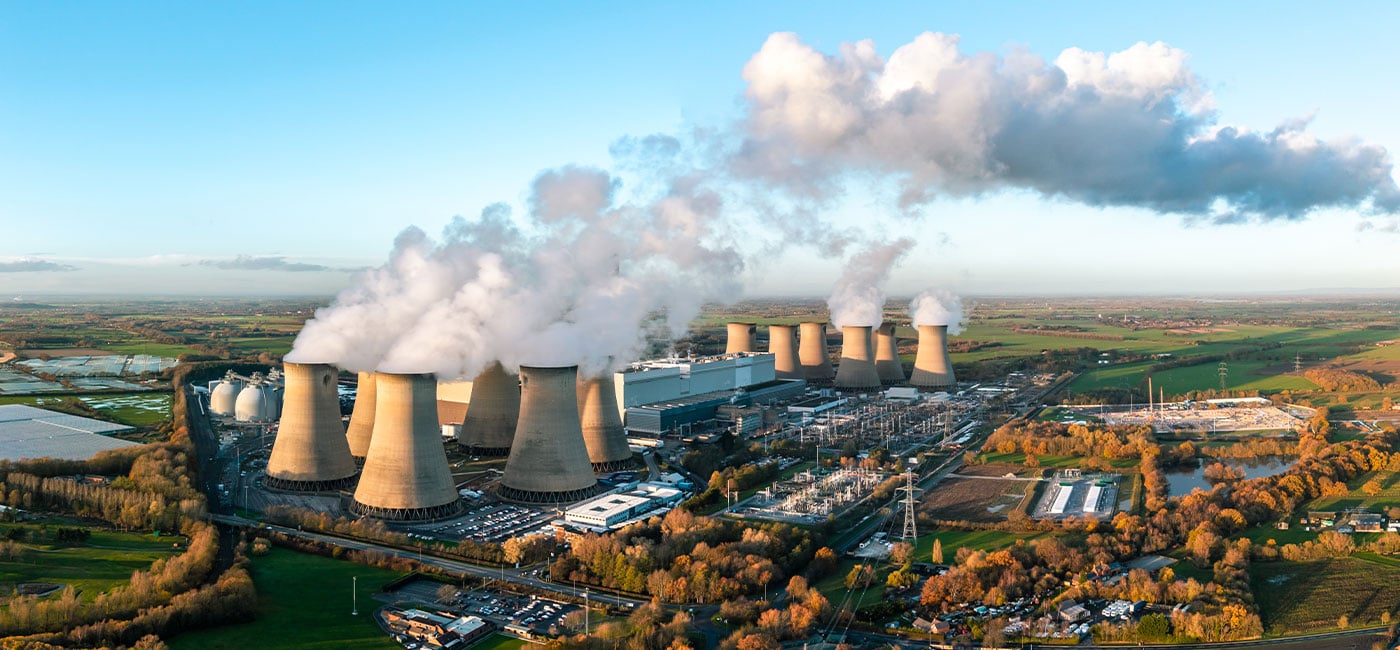
Avedøre Power Station plays a key role in Denmark’s energy infrastructure, supplying electricity and district heating to the Greater Copenhagen area while supporting wider grid stability. The plant has transitioned from coal to primarily sustainably sourced biomass, with carbon capture development underway. Today, it supplies heat to more than 215,000 homes and electricity equivalent to over 600,000 households.
Søren Bagge Skou added: “As grids become more dynamic and electrical infrastructure comes under increasing pressure, projects like this highlight the growing role of grid automation in helping operators move from periodic inspection toward earlier detection, faster diagnosis and more informed maintenance decisions.”
ABB will support Ørsted throughout the first year of the pilot, working closely with site teams to ensure insights are relevant and actionable.