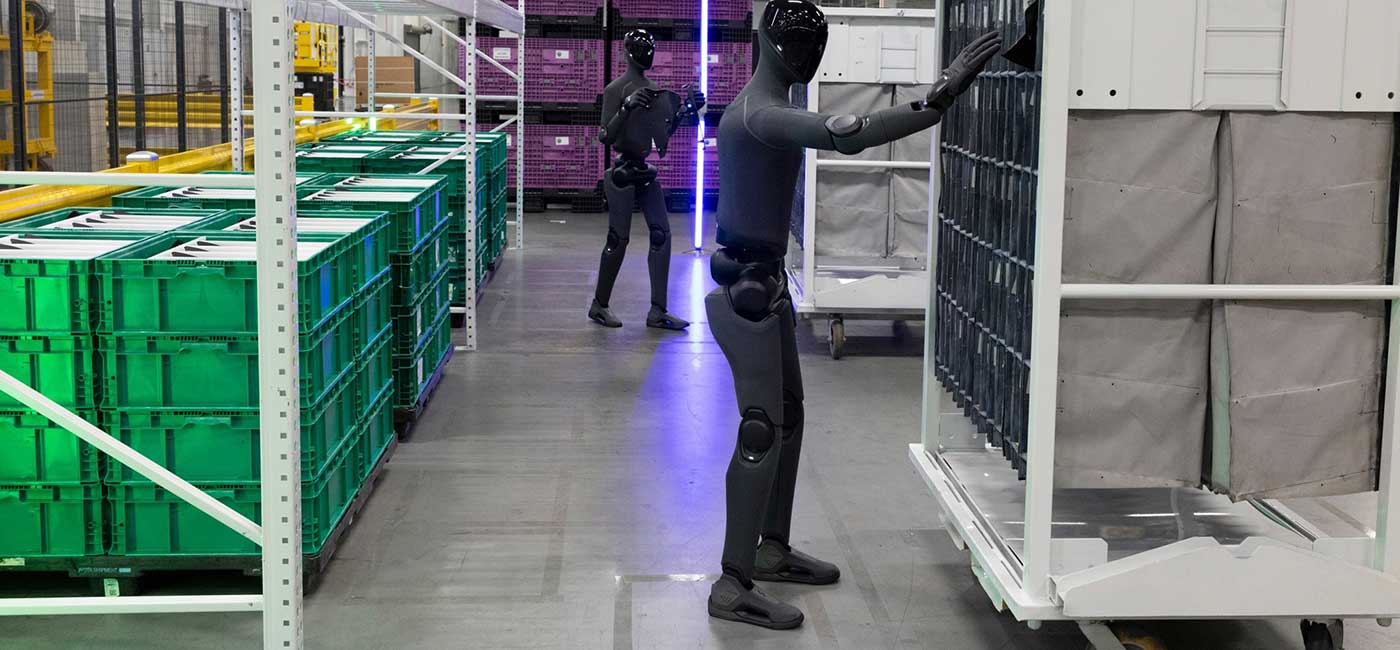

The race to deploy humanoid robots in automotive manufacturing has taken another step forward, with BMW expanding its collaboration with US robotics developer Figure AI following a successful pilot at its Spartanburg plant in South Carolina.
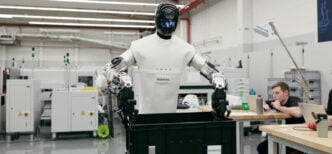
The German carmaker said it will introduce Figure’s next-generation Figure 03 humanoid robot into production logistics, where it will perform parts sequencing tasks ahead of final vehicle assembly. The move follows an earlier deployment of the company’s Figure 02 robot, which BMW says supported production of more than 30,000 BMW X3 vehicles over a 10-month period by handling sheet-metal components in the body shop.
“Plant Spartanburg is the birthplace of humanoid robotics in BMW Manufacturing’s operational day-to-day activities,” said Ulrich Wieland, Vice President of Production Control and Logistics at BMW Manufacturing. “Having already successfully completed a pilot with Figure 02 in our body shop, we are now looking forward to deploying Figure 03 for a sequencing use case in logistics.”
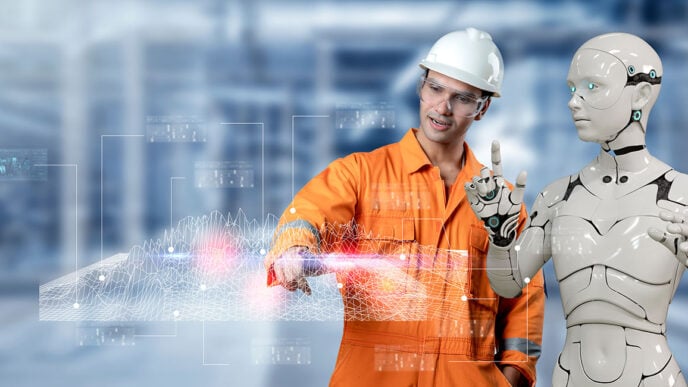
The announcement reflects a growing trend among global manufacturers to evaluate humanoid robots for tasks that have traditionally relied on human workers, particularly those that are repetitive, physically demanding, or difficult to automate using conventional industrial robots.
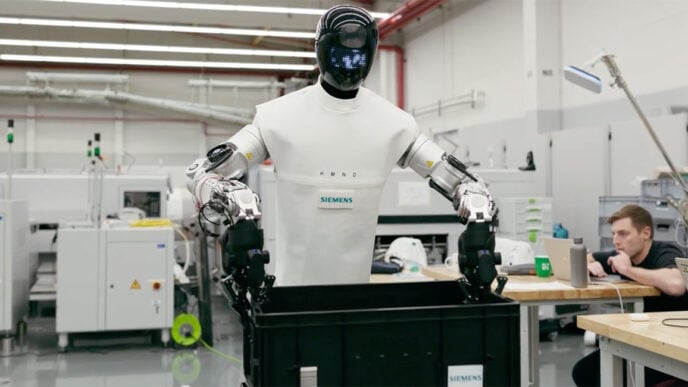
Unlike fixed robotic cells, humanoid robots are designed to operate within existing factory environments and use equipment built for people, potentially allowing manufacturers to automate processes without redesigning production lines.
BMW said Figure 03 will initially be used to transfer unsorted components from delivery containers into sequencing trolleys before they are transported automatically to assembly stations. The company said this type of application is common across automotive manufacturing and could provide opportunities for wider deployment.
“Our 11-month deployment of Figure 02 proved that humanoids are no longer lab experiments – they can be a valuable asset in establishing a flexible, reliable manufacturing workforce,” said Brett Adcock, Founder and CEO of Figure AI. “We are excited to continue our work in Spartanburg as Figure tackles the complexity of the assembly and logistics hall.”
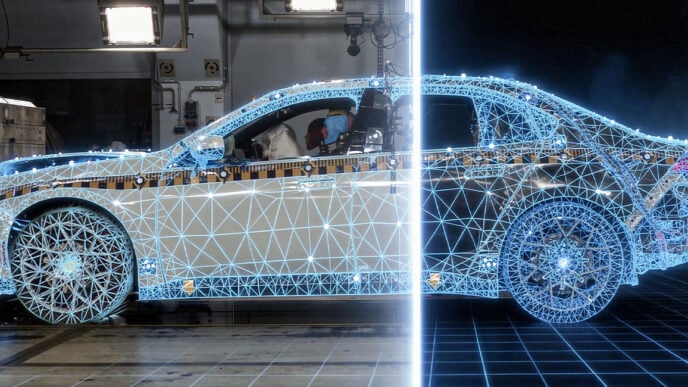
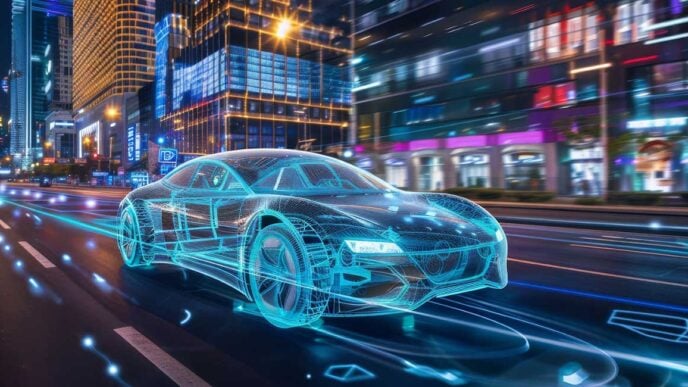
The deployment forms part of BMW’s wider iFACTORY digital manufacturing strategy, which combines artificial intelligence, digital twins, virtual production planning, automated logistics, and AI-powered quality inspection systems. The company says humanoid robots are intended to complement existing automation by taking on monotonous, ergonomically demanding, or safety-critical tasks.
BMW is one of several automotive manufacturers investigating the role of humanoid robots in production. Mercedes-Benz has been trialling robots developed by US start-up Apptronik, while Hyundai Motor Group continues to advance humanoid technology through its ownership of Boston Dynamics. Tesla is also developing its Optimus humanoid robot, although large-scale manufacturing deployments have yet to materialise.
Despite increasing interest, commercial use of humanoid robots remains at an early stage. Most deployments remain limited to pilot projects or narrowly defined production tasks, and manufacturers have yet to publish detailed evidence of productivity improvements or return on investment.