
Nearly four in five Middle East energy executives say their organisations have reached advanced levels of operational autonomy, according to new research by Schneider Electric, underscoring the region’s rapid push toward AI-driven and self-optimising energy systems.
The study, based on Schneider Electric’s Autonomous Maturity framework, found that a majority of regional firms now operate at Level 4 of the ARC Autonomous Operations Maturity Model — defined as “selective autonomy”, where systems can function independently with limited human input. By comparison, most global energy companies remain at Levels 1 or 2, still dependent on manual oversight.
Almost half of energy sector leaders in the Middle East expect to achieve full autonomy (Level 5) within five years. In the UAE, 58% of respondents said they expect to reach that milestone — the highest figure across the region.
Cost efficiency was cited as the primary motivation for adopting autonomous systems, with around half of participants warning that operational costs would rise without such transformation. Safety and leadership priorities ranked lower, suggesting that innovation is increasingly being driven by business imperatives rather than compliance.
The research highlighted expected benefits including improved financial performance, enhanced competitiveness, and smarter, data-led decision-making.
“Autonomous operations are increasingly seen as a strategic enabler across industries,” said Devan Pillay, President of Heavy Industries at Schneider Electric. “In the energy sector, autonomous systems can monitor and respond in real time, reduce human intervention in hazardous environments, and support more sustainable operations.”
Independent Energy Market Analyst Gaurav Sharma said the findings reflect a strategic shift in global energy leadership. “Autonomy is key to optimising resources, minimising downtime, and advancing environmental goals,” he said. “Regions embracing higher autonomy levels will be better positioned to innovate, cut costs, and stay competitive.”
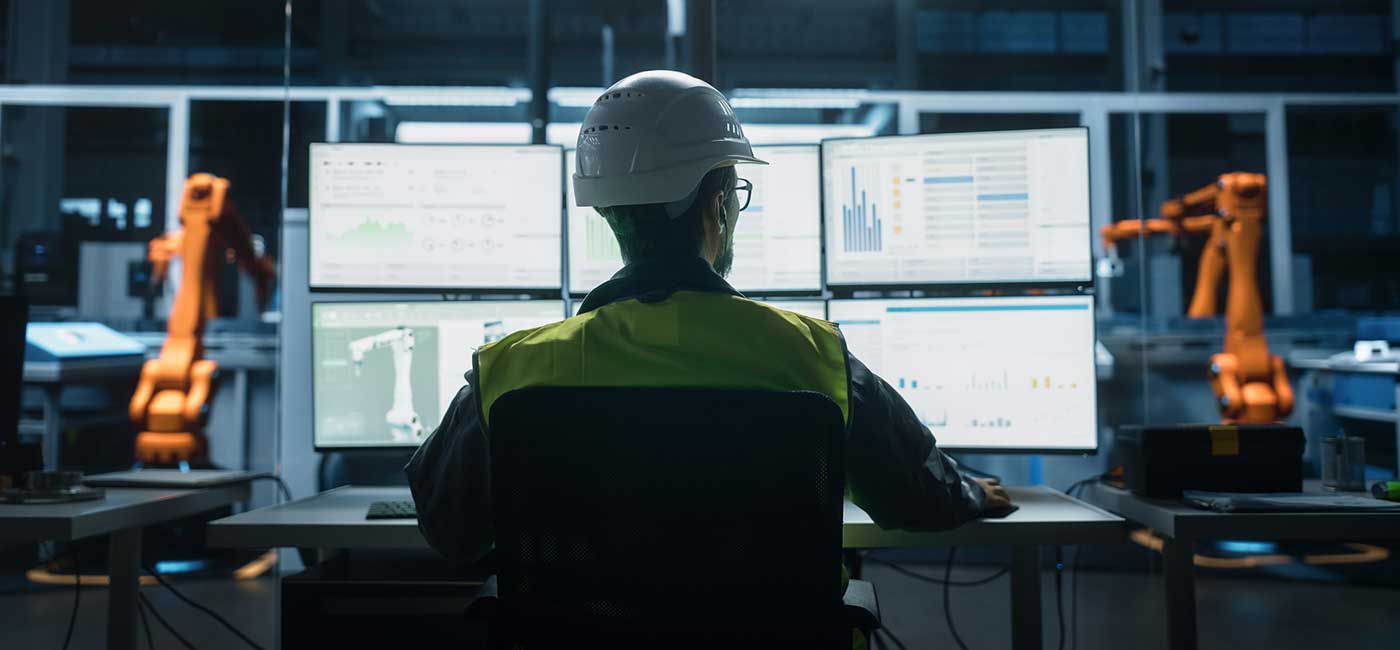
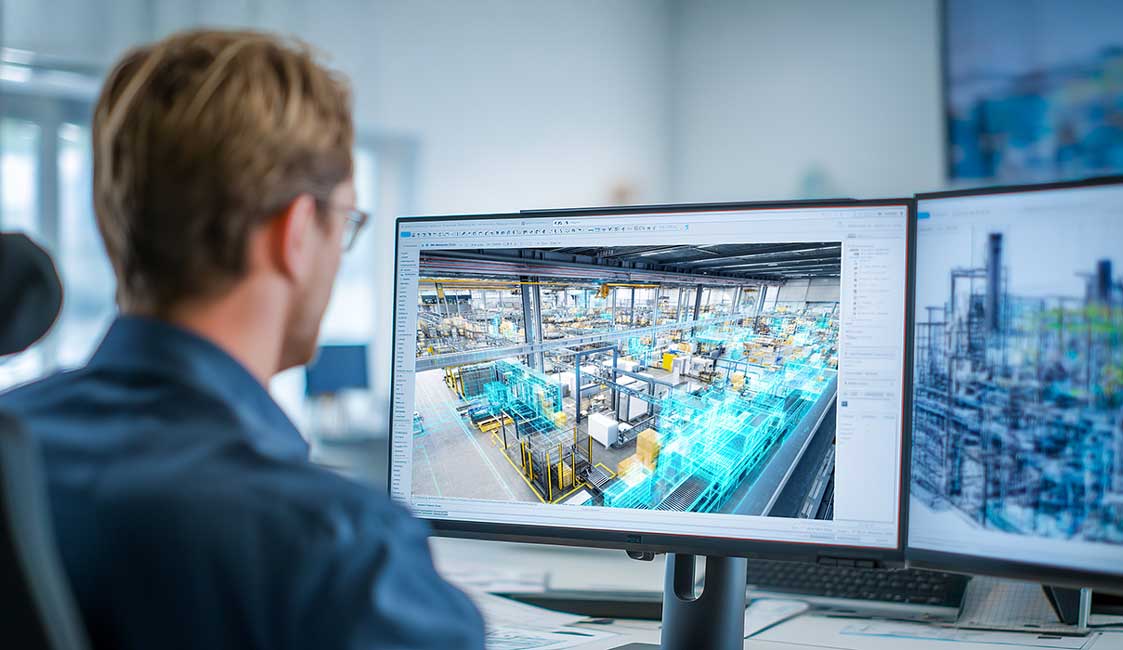
Advanced process control, robotics, and digital twins were identified as key enablers of autonomy. Digital twin technology, which enables real-time simulation and integration across oil, gas, and LNG infrastructure, is seen as particularly critical as the Gulf positions itself as a global LNG hub.
Underpinning this progress is software-defined automation — systems that decouple control logic from hardware, allowing assets to self-optimise and, in some cases, self-heal. These developments mark a move toward fully autonomous, remotely managed energy operations.
The findings align with a recent Boston Consulting Group report, which placed Saudi Arabia and the UAE among the most “AI-ready” economies, with UAE executives among the most optimistic globally about AI’s potential.
As evidence of this shift, Schneider Electric has launched a pilot programme with ADNOC Refining in Abu Dhabi to deploy AI-driven autonomous operations at one of its plants. Using the company’s EcoStruxure platform, the system is designed to minimise human intervention while optimising performance and reducing emissions through continuous machine learning.
Walid Sheta, Schneider Electric’s Middle East & Africa President, said the convergence of electrification, automation, and digitalisation was accelerating across the region. “With electricity demand expected to rise by 50% and cooling alone accounting for over 500 TWh by 2035, autonomous technologies are no longer optional — they are essential,” he said.
Founded in the 19th century, Schneider Electric employs around 5,000 people in the Middle East. The company opened its new Dubai office, The NEST at Silicon Oasis, earlier this year as part of a global sustainability initiative, alongside a AED100 million education programme to develop local technology talent.
The company’s research, conducted by Censuswide in September and October, surveyed 100 senior executives from across the UAE, Saudi Arabia, and Qatar, spanning hydrogen, oil and gas, renewables, and other energy sectors.