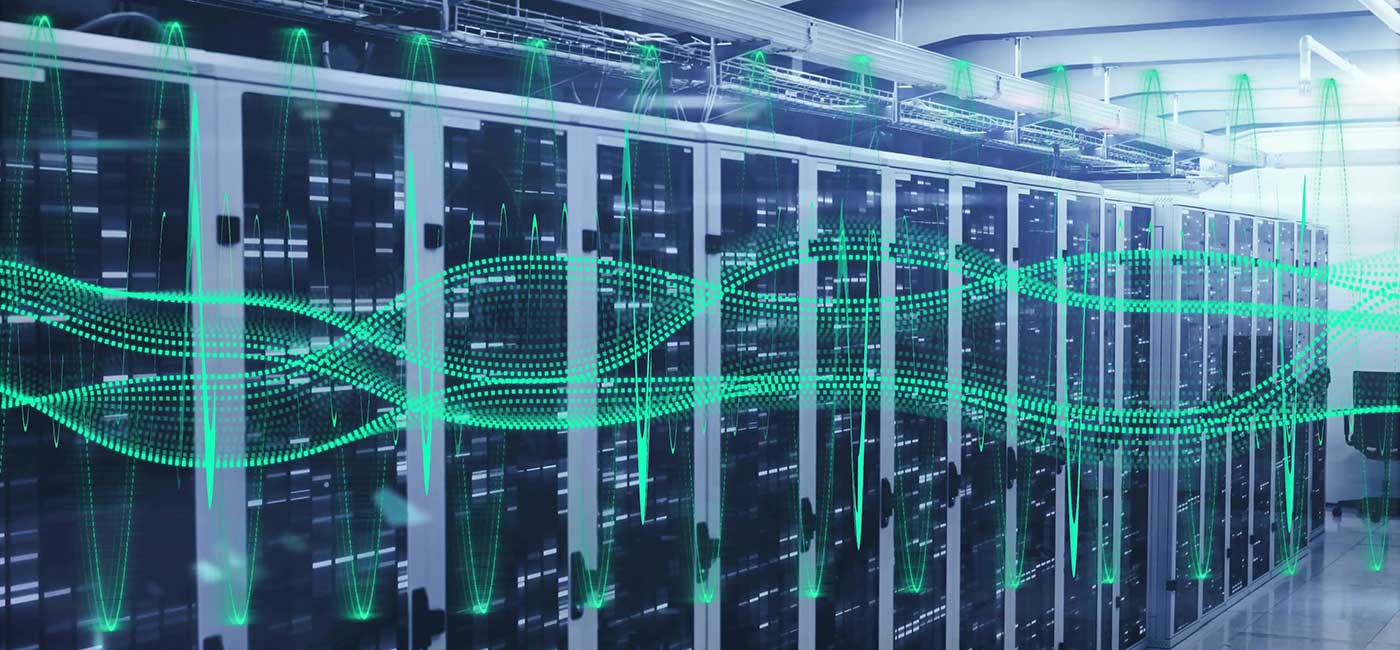

Microsoft said this week it is pushing the boundaries of data centre construction in the UK with its newest facility in Acton, west London, designed to operate entirely without backup diesel generators.
The five-storey site, currently under construction, will run fully on renewable energy and forms part of a £330m UK expansion programme, which also includes two new centres in Leeds and one near Newport, Wales, all scheduled for completion between 2027 and 2029.
Speaking at the London Tech Expo, Éanna McDarby, Principal Program Manager, UK Data Centre Construction at Microsoft, said that the Acton facility represents a departure from conventional data centre design. Diesel generators, long standard for backup power, have been removed entirely, replaced by battery platforms and substation infrastructure.
“We’re talking about a facility that will have no on-site diesel backup, which is completely unique for a data centre of this scale,” McDarby said. “It’s about translating innovation into buildable design and operational resilience. Every aspect of the facility, from energy supply to cooling, has been rethought with zero emissions in mind. From initial site due diligence to commissioning, we’re focused on integrating design and operational efficiency in a way that hasn’t been done before in the UK.”
Microsoft has also invested in the local energy grid and is exploring ways to share energy, heat, and water with the surrounding community. McDarby noted: “We are very conscious of the impact these buildings can have. It’s not just about running a high-density computing facility; it’s about contributing to the local infrastructure responsibly.”
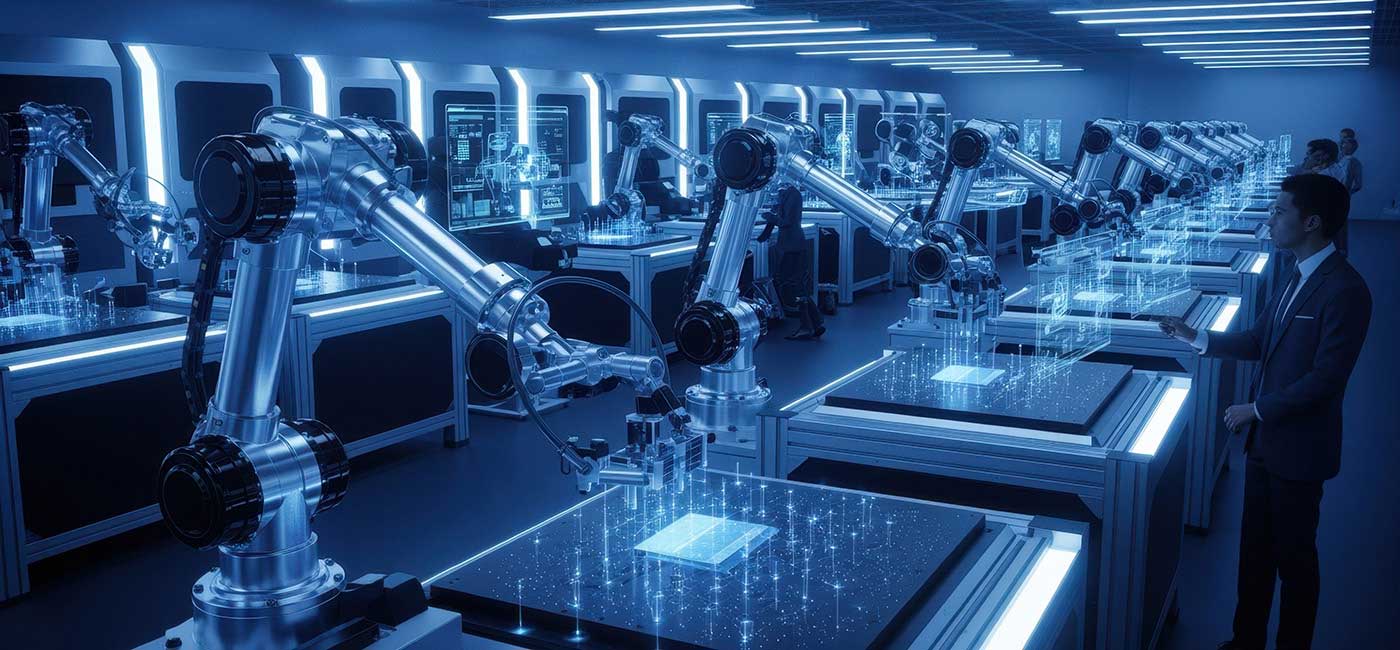
He added that Microsoft was also assembling more of the data centre elements off site in order to reduce risks and build times. “High-density racks create new challenges for lifting and installation,” McDarby said. “By assembling complex systems off-site in controlled factory environments, we reduce on-site hazards and improve precision. It’s automation and engineering working together to deliver safe, efficient construction.”

Susanna Kass, Senior Advisor to Sidewalk Infrastructure Partners, emphasised the shift from traditional net zero accounting to “absolute zero,” which eliminates fossil fuel use on-site and reduces resource intensity across energy, water, land, and materials. “We are moving away from measuring usage effectiveness to performance per watt,” she said. “AI workloads are driving unprecedented compute density, and our design has to keep pace.”
GPU-heavy systems, she said, now demand racks drawing up to 225kW — nearly ten times the density of older installations — forcing a redesign of cooling, fluid manifolds, and modular assembly techniques. “We are shrinking what used to occupy an entire refrigerator-sized mainframe into a single shelf,” Kass said.
Water use is another area under scrutiny. Many existing data centres consume large quantities of water to prevent overheating, yet operators rarely share usage data. “We’re integrating water-efficient cooling and planning for reuse where possible,” McDarby said. “Transparency and responsible operational design are essential.”
The UK is already among the top three global data centre markets by number of facilities, and the government has designated them critical national infrastructure. But concerns persist about energy consumption and environmental impact. In Dublin, a moratorium on new data centre construction was introduced after facilities accounted for one fifth of the country’s electricity demand in 2023.
While Microsoft says the Acton facility will run entirely on renewable energy, the company’s latest reporting shows that its Scope 3 emissions — from building materials, suppliers, and product use — remain more than 25 per cent above 2020 levels. This means the company’s overall emissions are still exceeding its target to become carbon negative by 2030.
McDarby acknowledged the challenges. “Building AI-ready infrastructure inherently comes with a carbon cost,” he said. “We’re working to mitigate that through renewable integration, energy sharing, and operational efficiency, but there’s no denying that high-density, high-performance computing has environmental consequences.”
Kass added: “Absolute zero on-site is one thing, but the embedded carbon in materials, supply chains, and user electricity is another. We’re innovating in the design of the facility itself, but wider system-level emissions remain a challenge for the industry.”