
Industrial operators are increasingly turning to integrated catalyst and adsorption systems to improve purification processes, reduce costs, and meet stricter environmental standards, according to PSB Industries, a specialist in gas and liquid purification technologies.
The integration of catalytic and adsorptive technologies allows companies to accelerate chemical reactions that convert harmful compounds into benign substances, while simultaneously capturing contaminants. The approach streamlines operations, lowers energy use, and reduces equipment redundancy, proponents say.
Historically, industrial purification has relied on separate systems—such as sacrificial purification beds, pressure swing adsorption units, and cryogenic separators—which often led to complex designs and higher operational burdens. Integrated systems, by contrast, combine multiple functions within a single framework. Heat exchangers, coolers, and blowers, for example, can serve dual purposes, cutting both capital and maintenance costs.
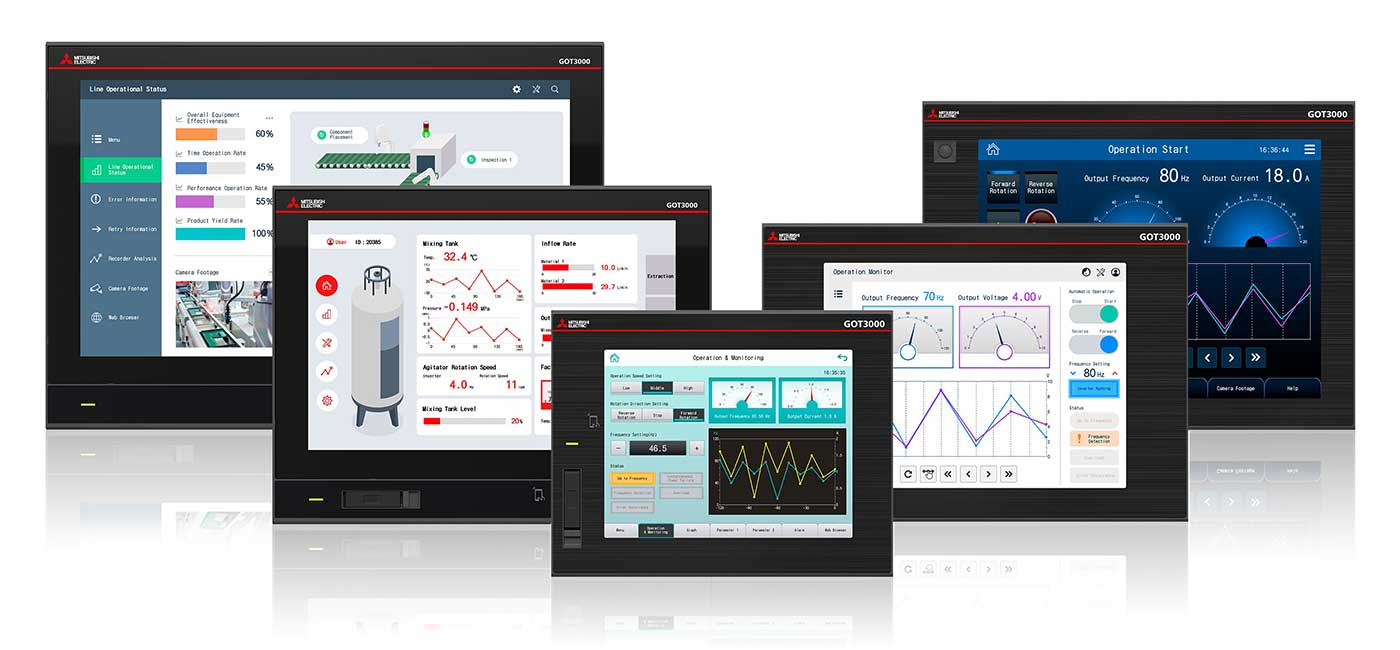
Automation is playing an increasingly critical role in this evolution. Advanced purification skids now monitor conditions in real time, adjusting heat cycles and reaction efficiency autonomously. By detecting anomalies such as overheating or media saturation, these systems reduce the need for continuous human oversight and mitigate the risk of emissions or hazardous incidents.
PSB Industries highlights that automation not only lowers labour costs but also supports environmental compliance. Continuous monitoring and real-time adjustments help minimise energy waste and emissions, aligning with tightening regulatory standards and corporate sustainability goals. Predictive maintenance features further reduce downtime and extend the lifespan of critical components, providing both economic and environmental benefits.
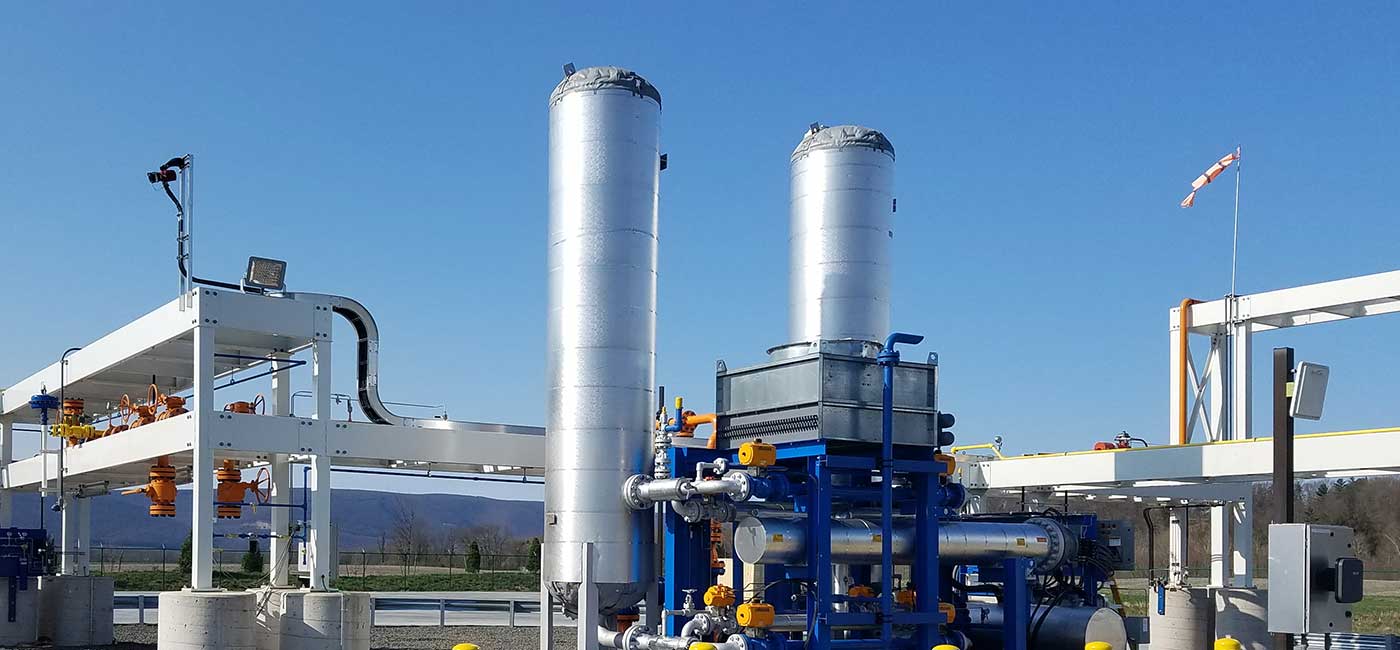
Integrated purification systems also offer practical advantages over traditional methods. Their compact design reduces facility footprint, while standardised components simplify installation, sourcing, and maintenance. By combining catalytic and adsorption processes, these systems remove multiple impurities simultaneously, improving purity and overall process efficiency.
PSB Industries has deployed such systems across North America, particularly in renewable natural gas production. Its modular designs allow for scalable, adaptable solutions, enabling companies to incorporate new purification technologies without overhauling existing infrastructure. According to the company, these systems eliminate emissions through closed-loop processing, supporting both regulatory compliance and corporate sustainability targets.
As industries seek more efficient, cost-effective, and environmentally responsible purification methods, demand for integrated catalyst-adsorption systems is expected to grow. PSB Industries’ emphasis on automation, modularity, and process optimisation positions it at the forefront of a sector that is undergoing rapid technological evolution.