
Nestled in the heart of Vaasa, Finland’s sunniest town and energy capital, ABB’s IEC Low Voltage Motors factory have been shaping industrial efficiency and sustainability for more than eighty years.
Established in 1944 on Finland’s west coast, the Vaasa site is one of ABB’s key global hubs for process automation where the company combines engineering excellence, tailored motor production, and a commitment to the energy transition alongside a drive for customer satisfaction.
A facility built for innovation
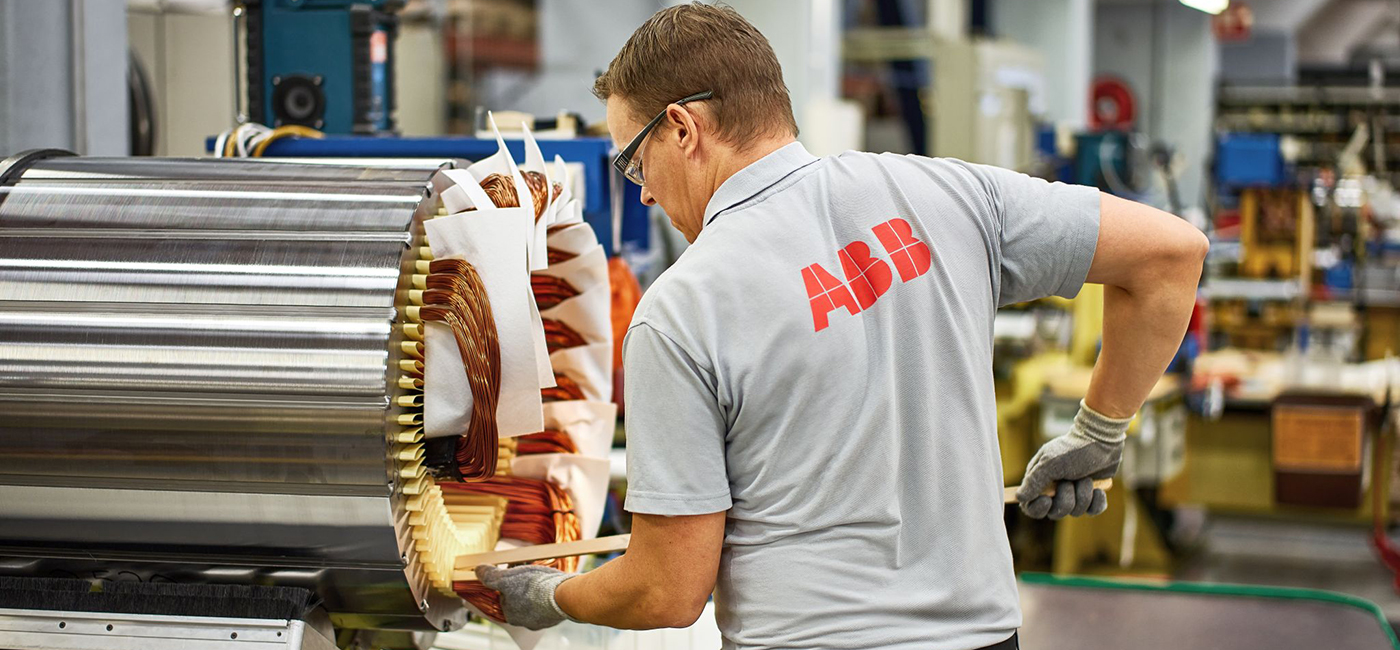
Spanning 36,000m² and employing over 700 people, with an additional 200 summer interns annually, the Vaasa factory is the epitome of flexible, customer-centric production. Around 125,000 motors are manufactured at the site each year, and one in three is a unique, customer-specific design. This culture of customisation is made possible by the company’s close collaboration with universities, research centres, suppliers, and end-users – the results speak from themselves in the frequent product launches and a steady stream of new patents.
In September, I visited the site to get to know more about what the facility offers and what is new.
Harri Mykkanen, Hub Manager for Europe and the Americas, said: “We are the biggest energy cluster in the Nordic countries … more than 180 companies working in the energy sector. Vaasa is a small city, but very international – about 100 languages spoken and 120 nationalities represented.”
SynRM motors: small but mighty
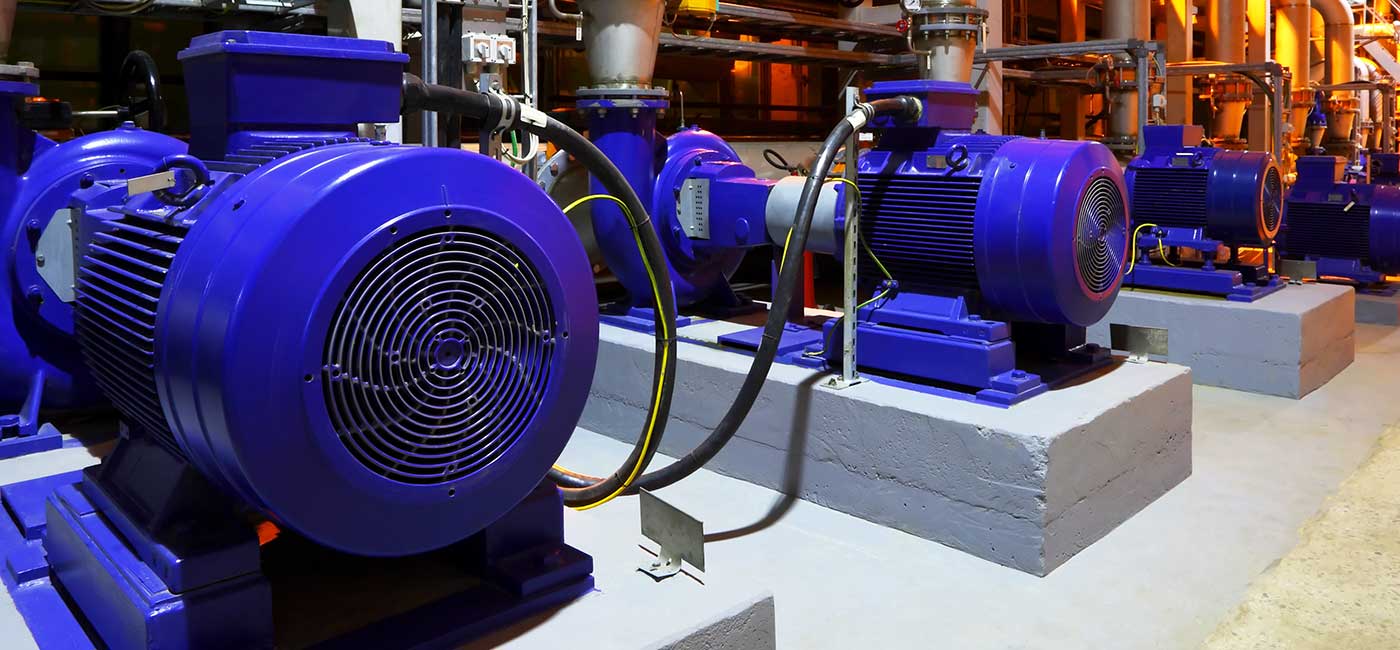
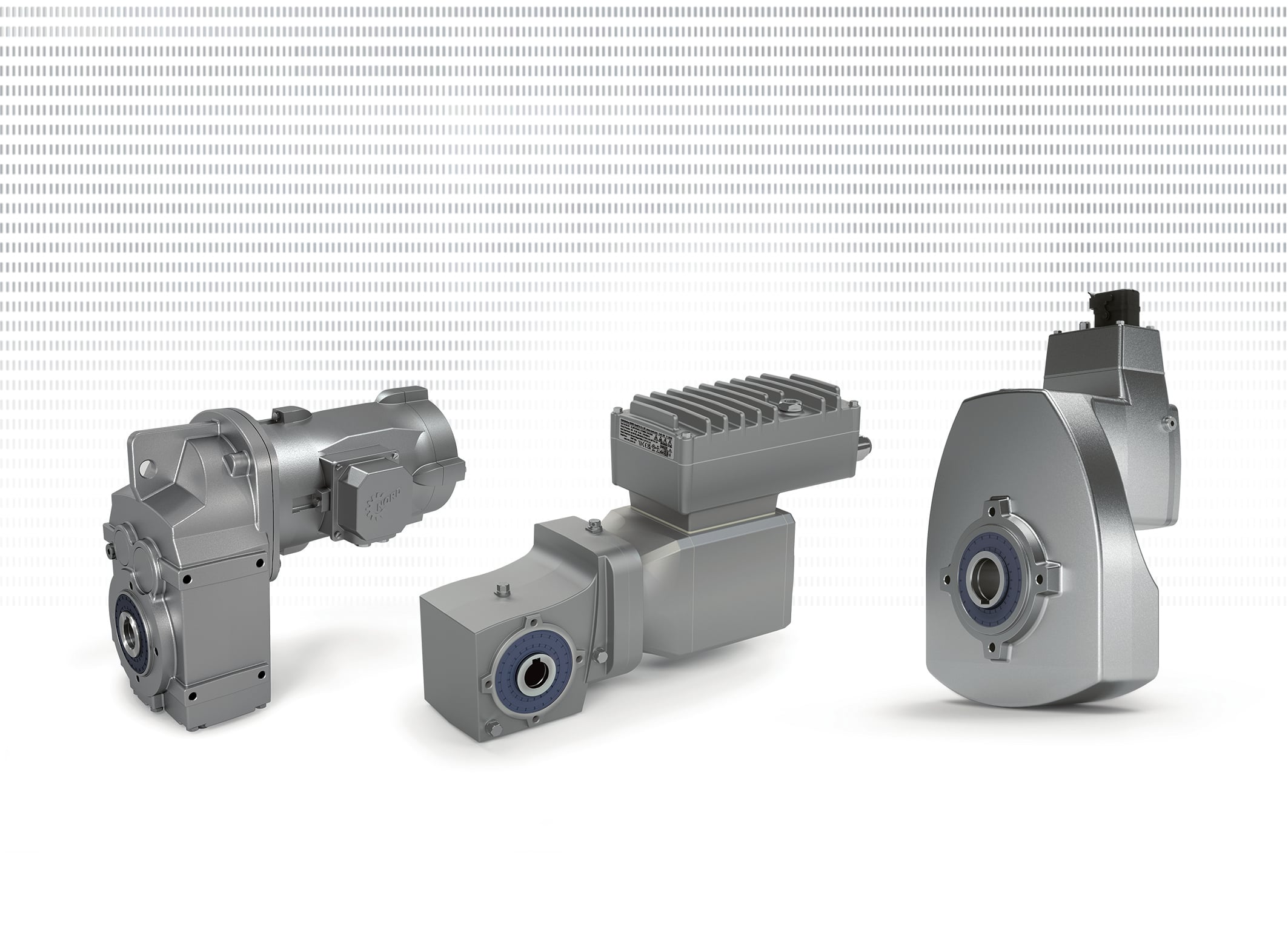
ABB’s IEC LV Motors division has positioned itself as a global technology leader that offers the broadest and most versatile range of synchronous reluctance (SynRM) motors on the market. These ultra-premium, magnet-free motors – developed and manufactured in Vaasa – are engineered to reduce energy losses by up to 40% compared to previous high-efficiency models.
Daniel Eberli, Business Line Manager for Process Performance Motors, explained the significance of this: “We have the most complete offering of synchronous reluctance motors … from frame size 90 up to 315. That makes us the most complete supplier of SynRM motors.”
ABB’s latest expansion now includes smaller frame sizes, enabling broader adoption across light industry. These motors are designed for drop-in replacement, matching the dimensions of traditional induction motors while offering superior performance.
“The motors are very efficient because they have practically no losses in the rotor,” Eberli said. “Cool bearings mean extended motor lifetime and reliability.”
Importantly, SynRM motors contain no rare earth metals, avoiding supply chain risks and enhancing sustainability.
“Not having any magnets definitely provides an advantage … especially for OEMs planning for five to seven-year lifecycles,” Eberli added.
Driving sustainability from within
Sustainability at Vaasa is built into the company’s operation. The site has achieved annual energy savings of 15,000MWh and avoided 6,500 tonnes of CO₂ through initiatives like heat pumps, LED lighting, building automation, and compressed air leak detection. From just using recycled heat from motor painting, the company was able to save 840MWh.
ABB also operates Ostrobothnia’s first heavy electric truck, capable of hauling 27 tonnes for up to 16 hours daily. Powered by an ABB Terra charger, the truck reduces emissions from logistics and really shows the company’s commitment to electrification at every scale.
Global impact from a local base
ABB’s Vaasa team is helping industries worldwide meet climate goals. Ivor Vidjen, Global Head of Strategy & Business Development, said: “Global emissions continue to be rising … we [the country] broke yet another [emissions] record last year. The time to act is now.”
And acting is what ABB is doing – it’s SynRM motors are already making a difference. At Aurubis Copper in Bulgaria, by replacing 460 inefficient motors they were able to make an annual energy reduction of 25GWh – enough to power 6,250 European homes. This also cut CO₂ emissions by 12,000 tonnes.
With 300 million industrial motors in operation globally – many with low energy efficiency – ABB sees motor replacement as the single largest opportunity to decarbonise industry.
“Electric motors already use 45% of the world’s produced energy,” said Stefan Floeck, Division President. “Replacing them with high-efficiency models is the easiest way to reduce emissions.”
Carrying forward a legacy
The Vaasa factory’s roots trace back to Strömberg, founded in Helsinki in 1889. After its acquisition by ASEA in 1986 and the ASEA-BBC merger that formed ABB in 1988, the facility became a cornerstone of ABB’s European operations. From early cage induction motors to today’s ultra-efficient SynRM platforms, Vaasa continues to embody what is ABB’s guiding purpose: “Everything we do, we want to enable a more sustainable and resource-efficient future,” Floeck said.
In a world striving to stay below 1.5°C of warming, ABB’s Vaasa site is a lighthouse guiding the course of industrial innovation, proving that sustainability and performance can – and must – go hand in hand.
To find out more about ABB’s low voltage, SynRMs, click here.