
Keysight Technologies has launched a range of software-controlled switches designed to automate physical connections in network test laboratories, as engineering teams face growing demands to validate infrastructure for artificial intelligence and sixth-generation (6G) communications.
The Velocity 4900 Series is intended to reduce reliance on manual cabling, which can slow testing, limit access to expensive equipment and make it harder to integrate physical test environments into continuous integration and continuous delivery (CI/CD) workflows.
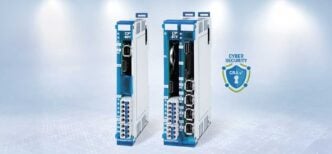
The two initial models, the Velocity 4902 and 4906, allow engineers to configure, save and reproduce physical test setups through software, enabling teams to change test configurations without manually reconnecting equipment.
Keysight said the technology could reduce testbed setup and teardown from hours or days to seconds or minutes, while allowing authorised engineers to access and share laboratory resources remotely across teams and locations.
The launch reflects a broader challenge for network equipment developers as rising traffic volumes and increasingly complex infrastructure place greater demands on testing. Manual configuration can introduce connection errors and leave expensive instruments underused, potentially delaying product development and network upgrades.
The Velocity 4902 supports Ethernet speeds from 100 megabits per second (Mbps) to 100 gigabits per second (Gbps). It has 72 QSFP28 ports, which can provide up to 288 connections using breakout configurations.
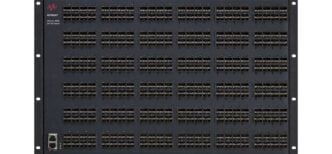
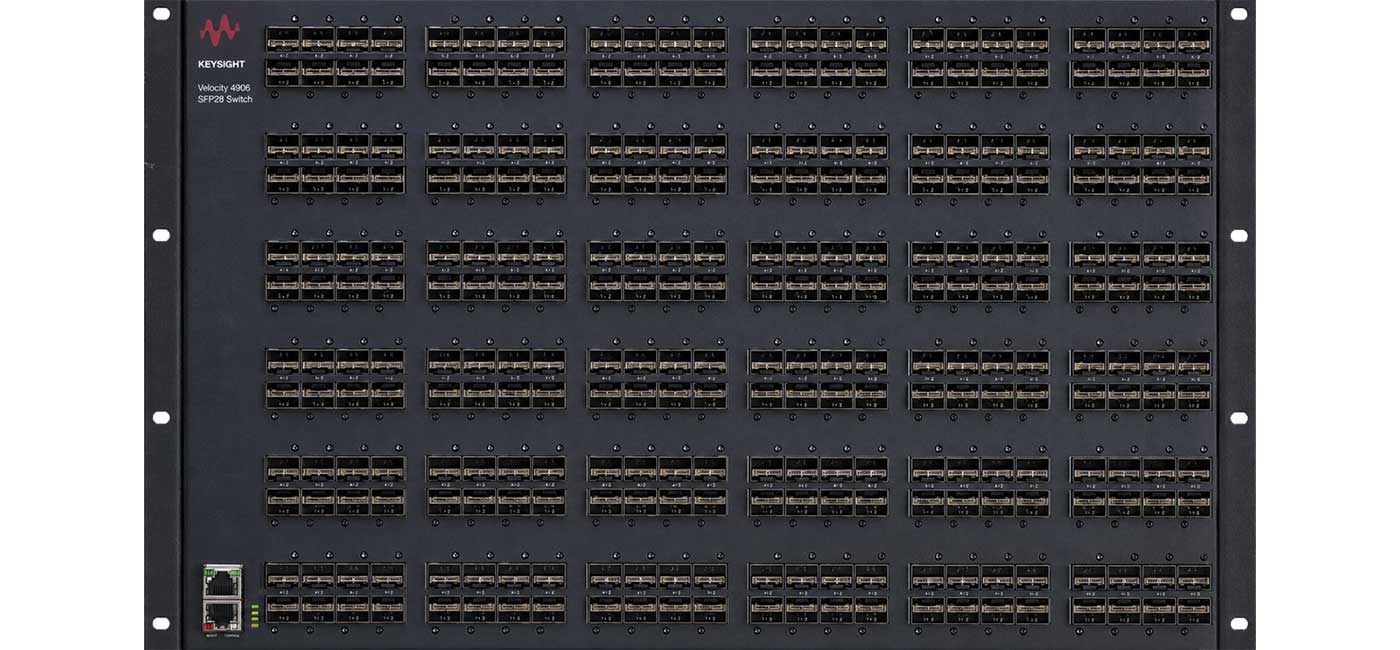
The higher-density Velocity 4906 has 288 SFP28 ports and supports speeds from 100Mbps to 25Gbps. The six-rack-unit platform is designed to connect a larger proportion of a laboratory’s equipment within a single chassis.
Both switches use a transparent Layer 1 switching matrix, which operates at the physical layer of the network. They support single-mode and multimode fibre, direct-attach copper and active optical cables, with port speeds and media configurable individually.
Additional functions include port tapping for diagnostics and monitoring, alongside one-to-many traffic replication, which allows traffic to be distributed to multiple destinations to support broader test coverage.
Keysight said the switches could also help organisations pool scarce or costly test equipment rather than duplicate resources across teams. Integration with its wider Velocity software portfolio is intended to extend automation into resource reservation, laboratory orchestration and test execution, including CI/CD pipelines.
“Engineering teams developing services and infrastructure to support AI, 6G, and next-generation systems need test environments that can change as rapidly as the technologies they are creating,” said Anil Kollipara, Vice-President and General Manager of Automated Testing and Assurance at Keysight.