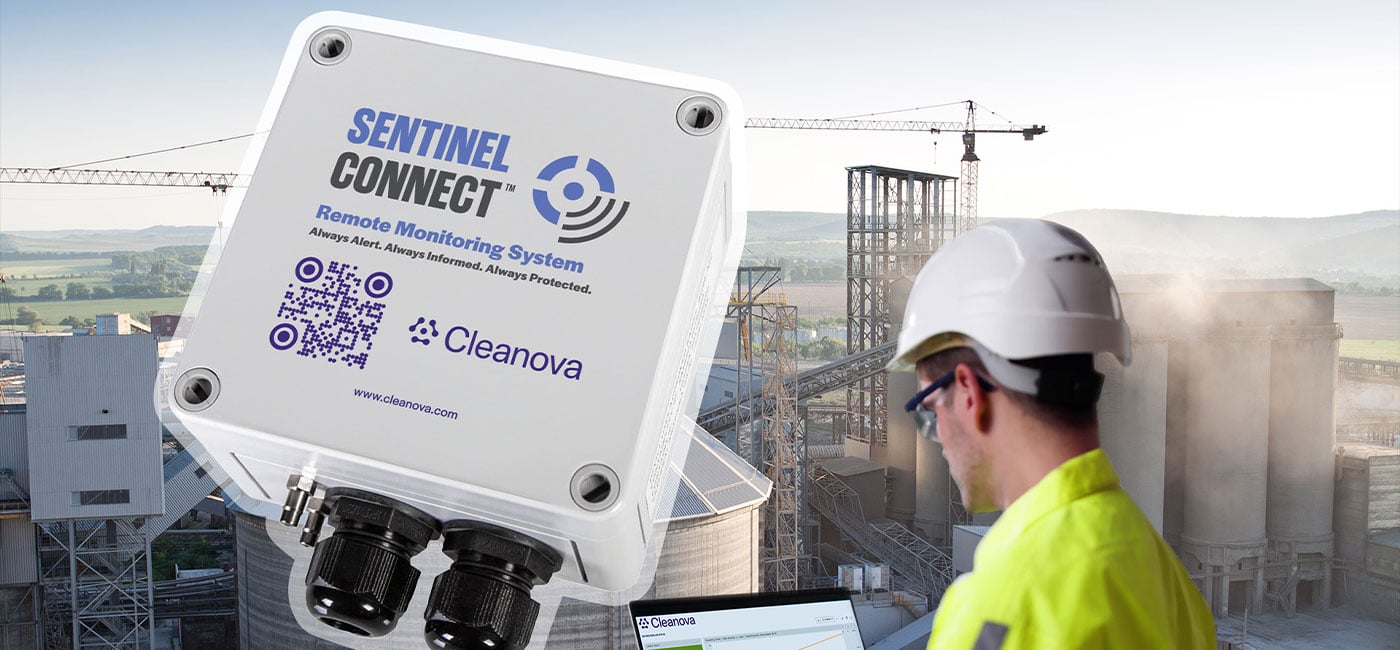
I was once called into a plant that had been chasing a fault for two days straight. The control system engineers were convinced it was a logic issue. The maintenance team suspected wiring. Everything looked fine on screens. But the process kept drifting out of range and tripping.
The problem turned out to be a temperature sensor. Nothing dramatic. No visible damage. It had simply been sitting in a hot, slightly corrosive line for long enough that its readings had started to drift. Slowly at first. Then just enough to push the process outside its limits.
That’s the thing about harsh environments. They don’t usually break sensors outright. They wear them down quietly until the data can’t be trusted anymore.
When you need to choose industrial sensors for harsh environments, you’re not just selecting something that measures a value. You’re choosing something that has to survive heat, vibration, chemicals, moisture, and electrical noise, all while continuing to give you reliable data.
It’s easy to treat sensor selection like a spec sheet exercise. Range. Accuracy. Output. Done. But out in the field, that approach rarely holds up. The environment always finds the weak point.
So instead of thinking like a buyer, think like someone who has to live with the sensor after installation. That shift alone changes how you make decisions.
Understand your environment’s challenges
Before you look at a single product, spend time understanding where the sensor will actually sit. Not just the general area, but the exact conditions around it.
This is where most problems start.
I’ve seen sensors installed in what was described as a “normal indoor environment.” It turned out to be a production line with constant fine dust in the air. You couldn’t see it during installation, but it was everywhere. Within weeks, connectors started failing.
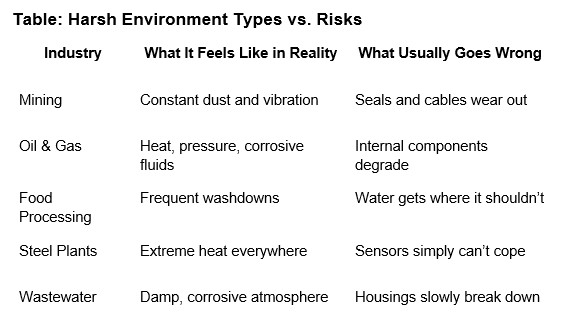
Harsh environments are rarely about one issue. It’s usually a mix that causes trouble.
Temperature is the obvious one. Sensors might sit in freezing conditions during shutdown and then operate at a few hundred degrees once the process starts. That constant expansion and contraction slowly stresses materials.
Then there’s vibration. In heavy equipment, things don’t just run, they shake. Over time, that movement works against every internal connection.
Chemical exposure is more subtle. You won’t see it happening, but it’s there. A bit of acid vapor, some cleaning chemicals, even salty air. Give it time, and materials start to degrade.
And then there’s ingress. Dust, water, steam. They don’t need much of a gap. Once they get in, performance starts to drop.
If you don’t take the time to really understand these conditions, you end up making assumptions. And assumptions are usually what lead to early failures.
Prioritise material selection
Once you know what the sensor is up against, material choice becomes much more straightforward.
This is one of those areas where small decisions have big consequences.
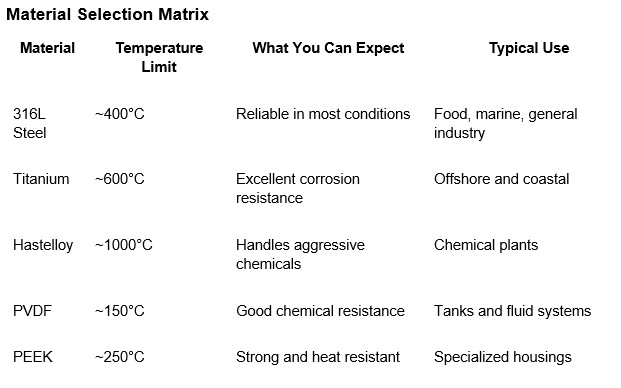
Stainless steel is often the default, but not all stainless steels behave the same. 316L is far more resistant to corrosion than 304, especially if there are chlorides or chemicals involved.
I’ve seen projects where 304 was used because it was cheaper. It worked for a while. Then small corrosion spots appeared. Nothing urgent at first. But over time, performance started to slip.
If there’s any doubt about exposure to salt or chemicals, 316L is usually the safer bet.
In more aggressive environments, you might need to go further. Titanium handles seawater extremely well. It’s not cheap, but it lasts.
For really harsh chemical exposure, alloys like Hastelloy come into play. These are built for conditions where standard materials just don’t survive.
Polymers also have their place. PVDF works well in chemical environments. PEEK is useful when you need both strength and temperature resistance.
Coatings can help too. Ceramic coatings are useful in abrasive environments. PTFE adds an extra layer of protection against chemicals.
If you’re unsure, it’s usually better to go one level higher than you think you need. It’s a lot easier to justify that upfront than after a failure.
Decode protection ratings
After materials, protection ratings come into play. This is where you make sure the sensor can keep dust and water out.
IP ratings are straightforward once you get used to them, but they’re often misunderstood in practice.
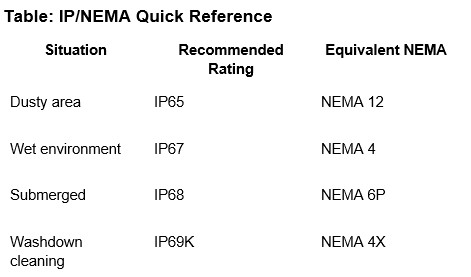
An IP67 rating means the sensor is sealed against dust and can handle temporary immersion. That’s fine in many environments. But if your equipment gets washed down regularly, it’s not enough.
That’s where IP69K becomes important. It’s designed for high-pressure, high-temperature cleaning. If you’re in food processing or similar industries, this matters.
NEMA ratings tell a similar story. NEMA 4X, for example, adds corrosion resistance on top of water protection.
Step-by-step: matching ratings
Start by asking what the sensor will actually face day to day.
If it’s just dust, IP65 might be enough. If there’s water exposure, move to IP67. If it’s submerged, you need IP68. If it’s going to be cleaned aggressively, go with IP69K.
One thing to keep in mind. The rating only holds if the whole setup supports it. A high-rated sensor with a weak connector will still fail.
Match sensor type to measurement needs
Now you can start thinking about the sensing technology itself.
Different sensors behave very differently once conditions get tough.
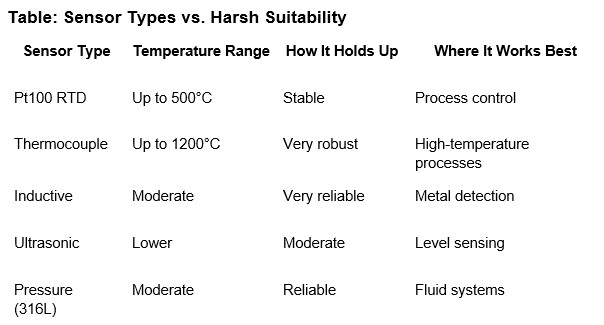
Take temperature measurement. Pt100 sensors high temperature applications are common because they’re stable and accurate up to about 500°C. They’re great for controlled environments.
But in very high temperatures, like furnaces, thermocouples are the better option. They handle heat better and respond faster.
Pressure sensors depend heavily on diaphragm material. If the process fluid is aggressive, the wrong material won’t last long.
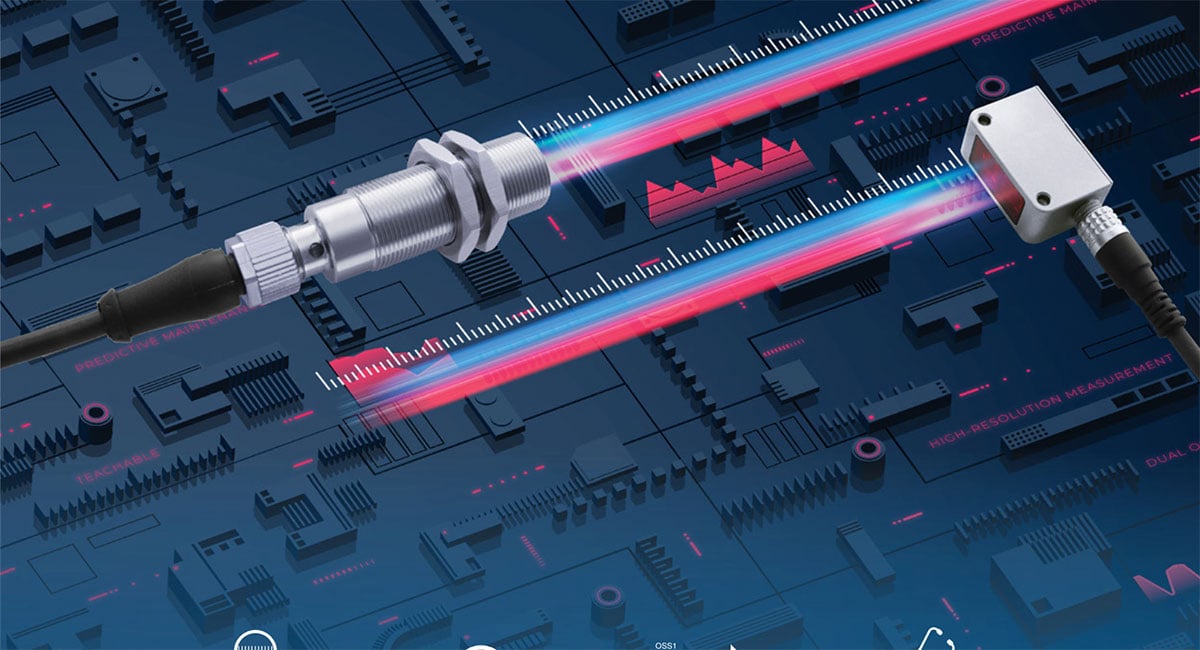
For proximity sensing, inductive sensors tend to hold up best. They’re not affected by dust or oil the way optical sensors are.
Ultrasonic sensors are useful when you don’t want direct contact with the material, especially in corrosive liquids.
The key is to think beyond ‘will it work’ and focus on ‘will it keep working’.
Evaluate performance specs under stress
This is where things get interesting.
A sensor might survive physically, but still give you bad data.
Accuracy drift is one of the biggest issues. It happens slowly, so it often goes unnoticed until it starts affecting the process.
Response time also matters. In fast systems, a slow sensor can create lag that throws off control.
Signal type plays a role too. In noisy environments, 4-20mA signals are still the most reliable. They’re simple and less prone to interference.
Vibration tolerance should match your environment. If the sensor isn’t built for constant movement, it won’t last.
And then there’s electrical noise. Motors and drives can interfere with signals if cables aren’t properly shielded.
Ensure compatibility and integration
Even the best sensor can cause trouble if it doesn’t fit well into the system.
Start with the interface. Analog signals are simple and reliable. Digital options give you more flexibility.
Power supply is another area to watch. Most sensors run on 12 to 24 volts DC, but long cable runs can affect performance.
Calibration is something worth planning early. Harsh environments accelerate drift. If access is difficult, maintenance becomes a challenge.
Test, certify, and maintain
At some point, you have to see how the sensor behaves in real conditions.
No datasheet can fully predict that.
Install it, run it, and monitor it. Compare it with a reference. Watch for drift or unexpected behaviour.
Certifications matter too. If you’re working in explosive environments, ATEX is essential. Safety standards like CE and UL also come into play.
Field testing process
- Install the sensor in the actual process
- Run it under normal conditions
- Compare readings with a reference
- Monitor for drift
- Inspect after testing
Maintenance is what keeps everything running long term. Preventive maintenance helps. Predictive maintenance takes it a step further by catching issues early.
Emerging trends for futureproofing
Things are changing, and harsh environments are pushing innovation.
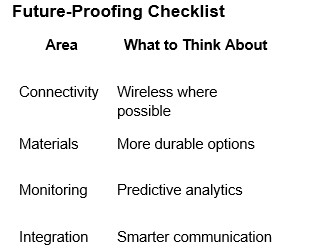
Wireless sensors are becoming more common, especially where wiring is difficult.
New materials are improving durability and expanding operating limits.
AI-based monitoring is helping detect issues before they become failures.
Maintenance checklist
Before finalising your selection, take a moment to double-check the basics.
Make sure the material fits the environment. Confirm the protection rating is right. Check vibration tolerance. Verify the signal type. Ensure certifications are covered. Plan for calibration. And most importantly, test the sensor in real conditions.
If you follow that approach, you’ll avoid most of the common failures. And in harsh environments, that’s usually what makes the difference between smooth operation and constant troubleshooting.
About the author:

Faisal Mahmood is a seasoned digital marketing strategist and tech content expert with deep expertise in AI content detection, industrial automation, sensors, and SEO-driven link building. He crafts in-depth, fact-checked articles that empower developers, enterprises, and tech teams to navigate AI tools, coding best practices, secure software development, and emerging automation trends. Passionate about delivering actionable insights for global audiences, Faisal has secured thousands of guest posts and collaborations for SaaS and AI startups.
Email: faisal.mahmood106@gmail.com