
Belden is bringing its industrial and enterprise networking businesses closer together as manufacturers look to unlock machine data for AI applications, arguing that the growing importance of connected production will make network infrastructure increasingly critical to factory operations.
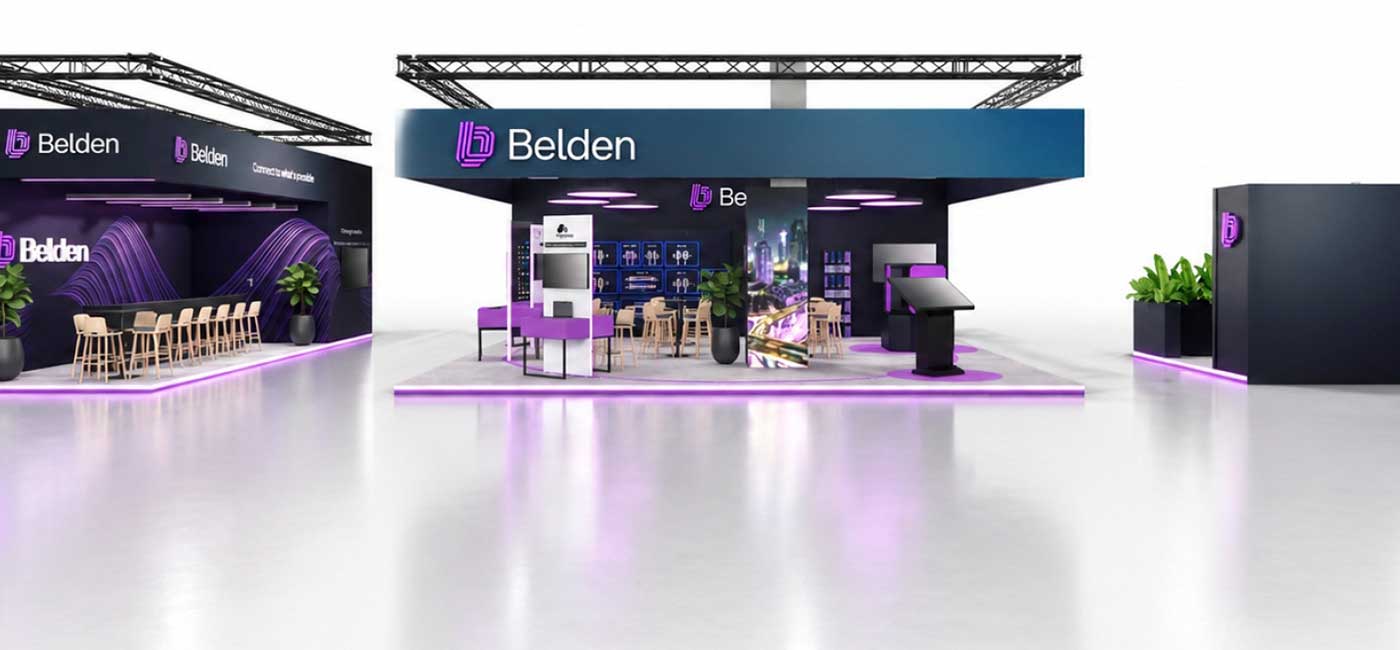
At SPS 2026 in Nuremberg this week, the company demonstrated a new software-defined IP67 Edge platform, wireless connectivity from RUCKUS Networks and Digital Coworker, an AI assistant designed to help engineers diagnose industrial network faults.
Belden said the demonstrations reflect its ambition to provide an integrated connectivity infrastructure spanning the factory floor and enterprise IT systems, rather than competing directly with automation suppliers such as Siemens and Schneider Electric.
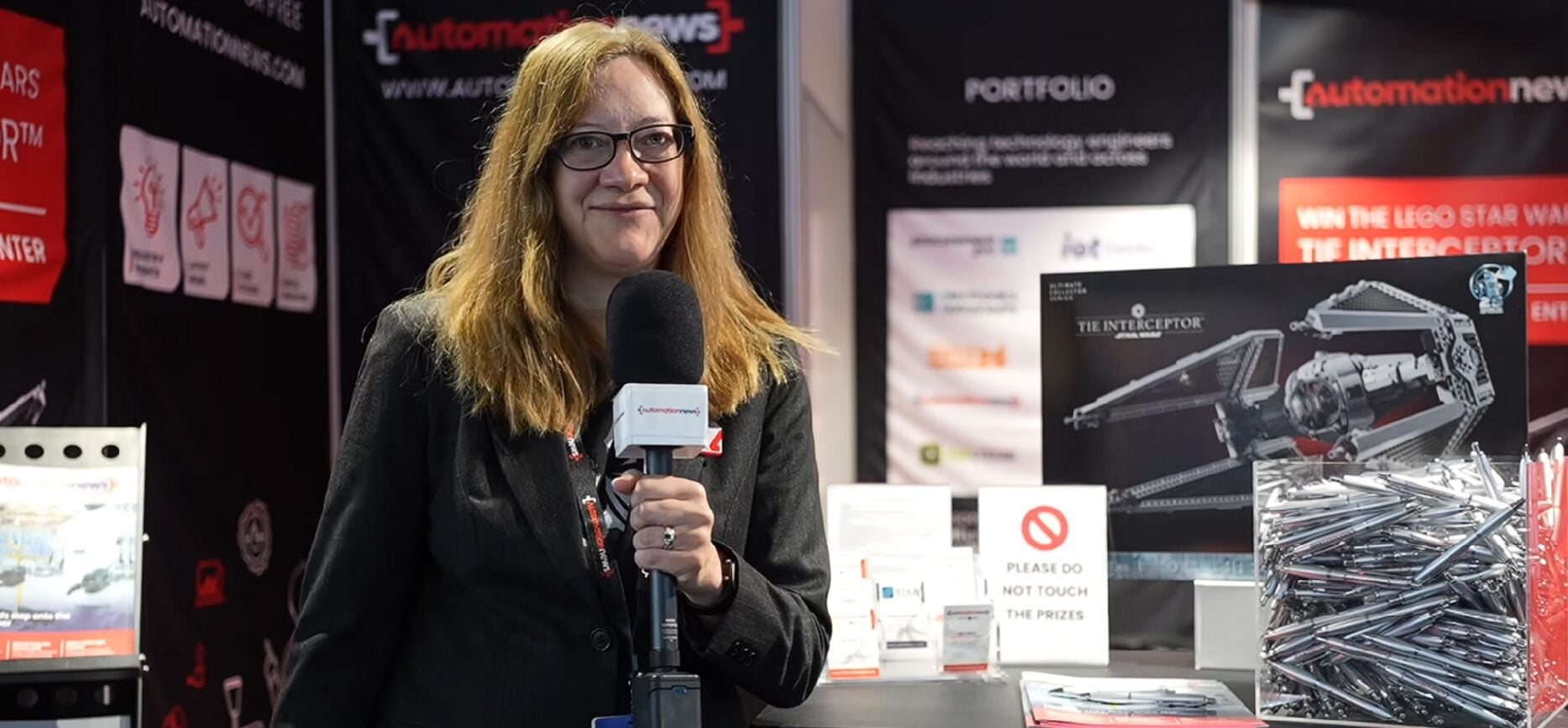
“The value proposition is around the network and the network capabilities,” Benoit Parades, Vice President Solution Sales, EMEA, at Belden told Automation News. “We don’t have expertise in how to operate a machine. We don’t have expertise in sensors or the application itself. But we have the expertise in making the network relevant to the complexity of an industrial environment.”
The news comes as manufacturers attempt to bring together increasingly disparate systems. Production lines typically comprise machines from multiple suppliers, each potentially using different automation standards and communications protocols. Belden argues that an independent networking layer can collect data across these systems and make it available to enterprise applications without requiring manufacturers to replace their existing automation infrastructure.
“You can still rely on your automation vendor to operate your plant,” said Parades. “But the digital infrastructure, which accesses your data and makes it available through both the OT and IT sides, we can provide as one brand.”
The acquisition of RUCKUS Networks, announced in July, is intended to strengthen that proposition by combining Belden’s industrial networking capabilities with RUCKUS’s enterprise wireless expertise. The company is now working towards integrating its software platforms to give customers a unified way of managing IT and OT networks.
Parades said the intention was to move away from managing separate networks towards a platform combining enterprise Wi-Fi and connectivity with industrial networking capabilities. He described this as a major development for Belden, although the integrated platform is still being developed.
The wireless proposition is also becoming more important as manufacturers introduce mobile robotics and autonomous systems. Belden is demonstrating RUCKUS access points alongside its rugged wired infrastructure, with the aim of improving coverage in challenging environments such as warehouse racking while reducing hardware requirements.
“The robots will become more and more present in factories, which is linked ultimately to the need for better wireless connectivity,” said Parades. He added that enterprise Wi-Fi expertise could increasingly be applied to operational technology environments.